

Due to advancements in technology and the increasing demand for affordable homes, modular construction continues to increase in popularity. In fact, modular home construction can often go toe-to-toe with, or in some cases even out-perform, site-built homes.
There are several benefits of modular construction for both the contractor and the homebuyer. Speed is a big factor. Since each phase of construction is carefully planned out, there are few last-minute problems or conflicts that will result in delays or plan revisions. Modular homes are typically built 33% faster with greater efficiency than a site-built home. Think about the countless individual pieces of material a site-built home needs from start to finish. Of course, the prefabrication phase uses many of these same materials, but once out of the factory, a modular home requires only connecting several large-scale components. At this point, delays including supply and delivery issues, are often kept to a minimum.
Prefabrication can also reduce the cost and time to build a home by a significant amount in several ways. First and foremost, factories are climate controlled, which means there are no weather-related construction delays adding time and money to the project. Secondly, there are also no cost over-runs from “no-show subs”. Subcontractors are already there in the factory, eliminating the need to find reliable skilled tradesmen. And third, materials are generally bought from suppliers through volume purchasing, thus getting better prices all the while controlling inventory with less waste.
Speaking of wasted materials, stick built homes tend to be less environmentally friendly than their modular counterpart. According to a National Association of Home Builders (NAHB) study, an estimated 8,000 pounds of waste is created from the construction of a 2,000 square foot home. The majority of that is wood, cardboard, and drywall and almost all of that waste ends up in landfills. Conversely, any extra materials or waste from a modular home is recycled.
There is however one thing that both modular and stick built homes have in common, and that is the need for a written insured new home warranty. As an RWC/HOME of Texas member, you know first-hand the benefits of providing a warranty on your homes. The construction industry comes in all shapes and sizes and so do warranties. Be sure to check out all of our risk management services and warranty products or call your Account Executive for more information.
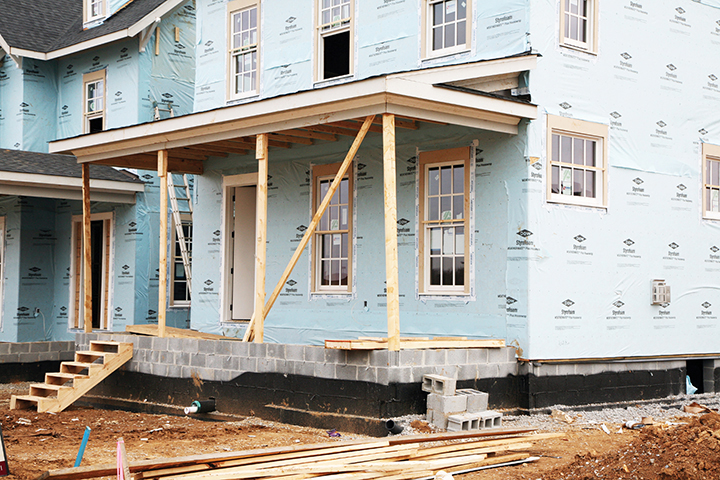 You and your crew have been working hard these past few months. In fact, you’re ahead of schedule. Then, you get a call from one of your jobsites. A woman tripped over a piece of scrap lumber and fell on the sidewalk in front of one of your nearly finished houses. None of your crew saw it happen since they were working inside. Your jobsite supervisor offered to call 911, but the lady seemed more embarrassed about what she described as her “accident proneness” and politely refused the offer. After that, she went on her way. No one bothered to get her name or contact information. You heave a sigh of relief and think all’s well that ends well. Still, you can’t shake the feeling; is there anything more you should have done?
Unfortunately, there isn’t much you can do. What’s the use reporting that an unknown woman fell at one of your jobsites, refused medical attention and disappeared. However, that doesn’t mean this isn’t a Premises / Operations claim under your General Liability policy. Many injuries take time to manifest indications of how serious they really are. The person can be in mild shock and truly believe they aren’t hurt. As they begin feeling pain, sometimes days later, they go to the ER and file the claim under their medical insurance. The medical insurer discovers where the injury happened and eventually seeks reimbursement against your general liability company. Now you may have to explain why nothing was reported. This could impact your renewal pricing. If the claim spirals into a really large loss, you may even face nonrenewal.
All this can be avoided by establishing and following a simple procedure for dealing with incidents involving the public. Whether they happen to a person or their property, the following suggestions may serve as a general guideline to assist you in setting up an Incident Reporting Procedure:
As soon as you learn of any accident or incident involving the public find out if anyone is injured.
• If someone is hurt, call 911. Stay with the person until first responders arrive and follow any instructions they may give.
• Don’t move the person unless you have to in order to protect them from further injury.
• If you administer first aid, make sure you, or someone you know is competent to do so.
• Don’t admit guilt or accuse anyone.
• Your focus is to keep the injured person calm and make sure they get the emergency medical attention they need.
• If the person refuses medical aid, don’t try to force them. Try to get their name, phone number and address, but don’t insist if they prefer not to talk to you.
• If someone’s property has been damaged, call 911 if first responders are needed to prevent the accident from getting worse - such as a fire spreading.
• Try to get the names and contact information of any witnesses. Keep in mind these may include neighbors or passersby.
• Without putting yourself or others at risk, do what you reasonably can to prevent further injury to people or damage to property.
• Contact your general liability insurance company as soon as you can. Give them all the information you have gathered.
• Put your Incident Reporting Procedure in writing. Make sure everyone in your organization is aware of it. Review it often at periodic safety meetings.
To sum up, a premises/operations claim is a claim under general liability when a member of the public is injured or their property is damaged at any place related to your business over which you have direct, or indirect control.* The extent of injuries or damage may not be apparent at the time of the accident, but knowing as much as possible as soon as possible can be critically important when and if the accident develops into a claim.
WANT TO EARN UP TO 25% OFF YOUR GENERAL LIABILITY PREMIUM?
If you are insured with the RWC INSURANCE ADVANTAGE, having a written Incident Reporting Procedure as part of a formal safety program can qualify you for significant discounts.**
For more information, visit our website: rwcinsuranceadvantage.com. Or if you’d prefer speaking to one of our licensed agents, give us a call at 1-866-454-2155.
*This generally describes a claim for premises/operations third party liability damages. The various terms, conditions and exclusions in the General Liability Policy must be established to determine if a claim is, in fact, a covered loss.
**Discounts are subject to all other underwriting criteria and are not guaranteed.[/vc_column_text][/vc_column][/vc_row]

Do you know your Account Executive? Are you aware of everything that your Account Executive (A.E.) can do for you? If you answered no to either of these questions, it is time to get acquainted!
Each state is assigned a specific A.E. who is more than just a product salesperson. You may have only interacted with one another when you initially signed up to become a member. Since you may have discussed your initial enrollment process with them over the phone, it is not always easy to recall with whom you spoke. To find your specific representative, you can call into our main office at 800-247-1812 (Texas: 800-445-8173) to inquire or visit our website and click the "Find Your Account Executive" link within the Builder tab's drop-down menu.
Your A.E. serves as more than an initial contact to guide you through the process, they are also your liaison and program concierge. Their role is to help you develop a suitable program for your business. As a member, you have access to a full array of programs and options. For example, if you desire to obtain a quote for liability insurance, wish to offer appliances coverage, or need additional training set up for your team, your A.E. can make these arrangements.
As the end of the fiscal year approaches, common practice dictates that a performance evaluation analyzing the prior year will be completed. Ultimately, it is a time in which new methods or ideas may be slated for implementation with the intention of improving the overall corporate health. Setting aside time to review your warranty coverages and comparing how your business has developed or changed can be a vital part of this process, the purpose of which is to aid in ensuring that a thorough evaluation has been considered. Since businesses can fluctuate from year to year, RWC/HOME recognizes that your initial warranty options may no longer work as a ‘one-size-fits-all’ solution. This is where your Account Executive can work with you to develop the best plan which complements these fluctuations.
If the timing for this sort of evaluation is currently not quite appropriate, keep in mind that your A.E. will periodically be reaching out to you via phone, email, or mailings. However, you do not have to wait for them to contact you to initiate the line of communication. When something from RWC/HOME passes over your desk, let it serve as a reminder to get in touch. Once it is time to think through all the ways in which your business may have developed or changed after your initial enrollment, your A.E. is your best resource. Setting a meeting with your RWC/HOME Account Executive will allow you the opportunity to review each of the servicing options at your disposal. Of the tools in your arsenal, the relationship you develop with your representative is a key component. Remember that they are your partners, meant to serve as a support system for your company, now and into the future.
A home is one of the biggest investments a person will ever make and in order to keep that home glowing and increasing in value, a well-maintained property should be the goal for years to come. Of course, a warranty will provide protection, but seasonal maintenance by the homeowner is also key to long-lasting digs. As a professional in the industry, you’ve seen first-hand what irresponsibility will do to a residence. It’s imperative to remind your buyers that even though a home may be brand spanking new, regular maintenance is absolutely necessary to ensure safety, comfort, and retain resale value.
It’s easy to preach to a homebuyer about keeping up with seasonal tasks and send them on their merry way, but why not arm them with a comprehensive list of things they should be aware of? Steer them toward RWC's "season maintenance checklist" under the Homeowner's tab. This is a great tool for homeowners to stay on top of things. Furthermore, you as the builder must have gathered hundreds of maintenance tips during your career. Offer up those tips and hints as you meet with your clients throughout the home building journey.
Just for fun, here is a home maintenance quiz that will test your know-how. While this quiz does not address every conventional home maintenance project, it does provide helpful tips that may have been overlooked.
1. How often do forced-air furnace filters need to be changed?
At least every three months during the heating season.
2. What part of the faucet usually needs to be replaced when you have a water leak?
The washer.
3. Should you run hot or cold water through your garbage disposal?
Cold water.
4. How often should the moving parts of garage doors be oiled?
Every three months.
5. What tools can you use to unclog your drains?
A plunger and a plumber’s snake.
6. What tool can be used to unclog a toilet?
Coil spring-steel auger.
7. What faucet part needs to be cleaned every three to four months?
Aerator — the screen inside the end of the faucet.
8. What can you use for traction on icy sidewalks, steps, and driveways?
Cat litter or sand — never use salt because it damages the pavement.
9. Where should the fire in your fireplace be built?
On the irons or grate, never on the fireplace floor.
10. What will prevent soot and add color to the fire in your fireplace?
Throw in a handful of salt.
11. Where should your firewood be stored?
Outside, away from your house and not directly on the ground.
12. What helps keep unpainted concrete floors easy to keep clean?
Concrete Sealer.
13. What should you use to clean unpainted concrete floors?
A solution of 4 to 6 tablespoons of washing soda in a gallon of hot water. Mix scouring powder to the solution for tough jobs.
14. Why should frozen pipes be thawed slowly?
Frozen pipes should be thawed slowly to prevent the formation of steam, which could cause the pipe to burst.
15. How often should your roof be inspected?
A qualified roofer should inspect your roof every three years.
16. What should be regularly checked on your security system?
The alarms and circuit breakers should be checked to make sure they are in working order and the sensors should be inspected one by one.
17. At what temperature should your water heater be set?
120 degrees Fahrenheit
18. How often do skylights need to be inspected?
Skylights should be inspected each time your roof is inspected so leaks don’t develop from cracks and interruptions around its seals, caulking and flashings.
19. What can you use to help a window slide easily?
Rub the channel with a piece of paraffin.
20. What should you look for when you inspect your siding yearly?
Determine if wood-sided homes need to be repainted; check to see if the caulking around the windows and doors has split and cracked, and replace the caulk; clean the mildew; trim shrubbery away so it does not touch the siding.
(Quiz provided by NAHB.org)
 You know homebuyers. They always have lots of questions. And not only just for you but they want to know about the products you used in their home. Below are many of the questions we get on a regular basis about the warranty you are providing with the homes you build. We just thought you should know in case any of these questions come up in your own conversations with your customers. If you need more information, don’t hesitate to give us a call.
What is the value of an RWC warranty to my homebuyers?
- An RWC warranty provides insured, written coverage on various items for a specific period of time.
- Third party assistance to resolve customer service issues is available under all of our programs.
- Homeowners receive a clearly written warranty document spelling out exactly what is and is not covered.
- The resale value of your buyer’s home is increased when our warranty is transferred to the next owner.
- Homeowners have assurance that assistance is available if a covered item is defective.
- Builders wishing to use RWC or an Affiliate’s warranty must demonstrate technical competence, financial stability and ethical business dealings with their customers. Knowing that your builder is a member of one of our programs is assurance that these standards have been met or exceeded.
- The average cost to repair a structural failure exceeds $30,000. Having a warranty in place means that covered structural components will be repaired without causing you or your homeowner serious financial hardship.
- There is a greater likelihood of a major structural defect developing in a home than there is a fire which causes major damage. Homeowners probably have insurance to protect against fire damage. Why not be protected from structural failures as well?
What exactly is covered under my warranty?
RWC and Affiliates have over 75 different warranty options. So the answer to this question depends on which warranty was placed on the home. Coverage varies depending on the program selected by the Builder and the state in which the home is located. Refer to the warranty book received at closing for exact coverage and warranty terms.
How does a homeowner start the claims process?
The specific procedures to address a potential defect in a home are spelled out in the warranty book. The homeowner must send written documentation either by email to RWC at warranty.resolution@rwcwarranty.com or via certified mail, return receipt requested in order to initiate this process. We do not accept telephone or fax requests at this time.
What are mediation and arbitration?
RWC knows that, in the majority of cases, the root of many disputes is the lack of communication between a builder and a homeowner. Sometimes, all it takes to get an issue resolved is someone to take on the role of mediator and assist the others in coming to a fair and reasonable agreement, based on the warranty standards provided. Prior to heading to formal arbitration or costly litigation, RWC does its best to mediate disputes between Members and Homeowners.
Arbitration is a formal process conducted by an independent, neutral arbitrator to resolve disputes between two or more parties. In the case of our warranty programs, RWC uses arbitrators experienced in arbitrating residential construction matters. Unless prohibited by law, the decision of the arbitrator under our programs is binding on all parties, including the homeowner as well as the builder.
Your buyer has questions about the paperwork received regarding their home’s enrollment (duplicate book, incorrect information on Application for Warranty, etc). How do they contact RWC?
For questions regarding the Application for Warranty Form or any other Enrollment Paperwork issue, the homeowner may contact our main office at 717-561-4480 or click here and fill out our information request form.
 The last couple decades have seen dramatic changes in the relationship between builders and their customers. A generation ago construction defect litigation rarely affected builders. In many jurisdictions, the old legal maxim caveat emptor, or “let the buyer beware”, applied to the sale of new homes. Twenty-first-century American society has turned that principle on its head. A more accurate watchword in these times is caveat builder or “let the builder beware” of litigious homeowners and plaintiffs' attorneys bent on making a lucrative monetary recovery in court for every perceived defect in every new home.
Residential construction litigation has increased in frequency and expense dramatically in the past two decades and exponentially in the past few years. Homeowners recover hundreds of millions of dollars from builders every year, and a typical settlement of a condominium association claim is not measured in thousands of dollars, but in millions of dollars.
A recent study revealed that more than half of all homeowner claims are about actual work performed in the building of the house and not about design, materials or maintenance. These complaints can create logistical headaches for builders and can lead to litigation that is expensive and tends to distract builders from their primary focus of building and selling homes. Express home warranties reduce the work, anxiety, and expense of these kinds of claims by spelling out the rights and remedies of the parties and by providing for arbitration, a quick and relatively inexpensive method for resolving disputes.
Arbitration provisions in express warranties provide that mutually agreed upon, neutral arbitrators hear the evidence from the parties and determine, without passion or prejudice for either side, who owes what to whom. Because most arbitration services have streamlined procedures, and because there are no juries for whom the lawyers must “dramatize” the case, arbitrations often result in less expense and reduced animosity between the parties.
In today's world, there is no reason why builders or homeowners should beware of dealing with each other after the settlement on a new home. If a builder provides his customer with an express warranty administered by a neutral third party, such as a new home builder warranty by RWC, both the builder and the homeowner can enjoy peace of mind because they have a clear and written description of how the home should perform and a quick, fair, and inexpensive process for resolving any disputes that might arise. All of RWC's warranty programs include out effective warranty resolution process which includes mediation and, if needed, formal arbitration.
If you need information on the procedures and/or rates to enroll ALL your building projects (remodeling, commercial, detached garages, condominiums, townhomes, etc.) with RWC to provide yourself with the most warranty protection available, contact your Account Executive at 800-247-1812, Ext 2149.
As the saying goes, you have to spend money to make money. Of course, everyone wants the promise of a great return-on-investment (ROI) on home renovations, but not all projects will yield a lofty payout. Decisions today can make or break a sale years down the road. So how does one choose which projects to tackle? Real estate guru Homeadvisor.com states these are the top five remodeling projects that will give homeowners the best bang for their buck:
FIBERGLASS INSULATION: 107.7% ROI: New insulation isn't exactly #1 on a home owner's to-do list, but those puffy sheets of energy efficiency will warm wallets with long-lasting savings. Insulation may not be pretty to look at, but it saves money and improves comfort.
ENTRY DOOR REPLACEMENT: 90.7% ROI: Secure and attractive! A quality steel door is a great choice for a home upgrade, plus it provides extra security and prevents unwanted drafts.
MANUFACTURED STONE VENEER: 89.4% ROI: Cheaper than natural options, engineered stone siding will give a home the revival it deserves while keeping the budget in mind. And as a bonus, today's fabricated products look just like the real thing! Natural stone also tends to put stress on the frame and foundation, so it's a win-win for this lighter alternative.
GARAGE DOOR REPLACEMENT: 85% ROI: Not only an aesthetic renovation, replacing the garage door also serves other purposes such as improved security and energy efficiency. A fresh design will surely give the home's exterior a boost in curb appeal.
MINOR KITCHEN REMODEL: 80.2% ROI: Small kitchen remodels ranging from $5,000 to $25,000 boasts a favorable return. Kitchens tend to be the hub of the home, so it only makes sense to make it work in your favor. Whether simple changes or reflowing the layout -- improving the design and usability of the space will pack a punch.
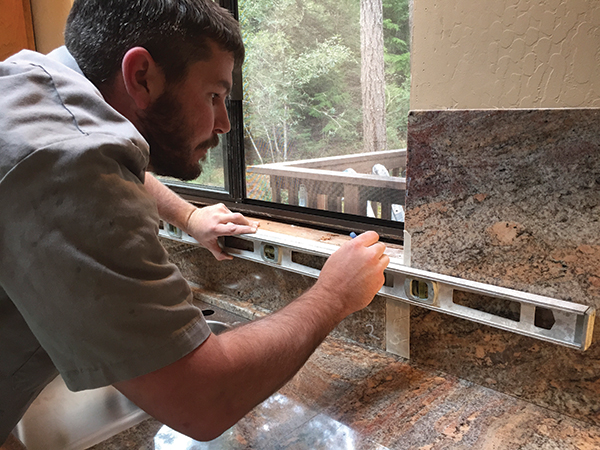 While much of the country is experiencing a healthy resurgence in home building, what is also going strong is the market for additions and renovations. For many reasons, today’s homeowners are still very likely to consider remodeling their home. For those handymen and women that are up to the challenge, tackling home improvement projects on their own can be a very rewarding experience. On the other hand, for many average Americans, DIY isn’t an acronym on their resume. Whether it’s an expanding family that needs more space or a frightfully outdated avocado green kitchen that begs for a facelift, homeowners will be scouting out professionals to get the job done.
According to economists, the current demand for home-improvement is healthy. Per the latest Remodeling Index, remodeling activity nationwide has continued to grow and is projected to keep rising. Demographics tend to play a big role in future prosperity. As baby boomers retire, the likelihood of first floor bedrooms and bathrooms or wider doorways and hallways become a reality. On the other end of the spectrum, housing affordability may sway millennials’ decision to purchase older existing homes that will command renovations. And lest we forget Mother Nature. In the wake of the tragic flooding and hurricane-ravaged areas, countless homes have been compromised. It may be too early to tell what type of impact these storms will have on the marketplace, but rebuilding and renovating will not be a piece of cake.
How does your business fit into this niche? If you’ve been focusing solely on new home construction and haven’t given much thought to remodeling, perhaps now is the time to investigate. Could it be that you are in a position to aid in the recovery of storm-affected areas? Or simply think forward to January or February. For half of the country, the cold, winter months are right around the corner and new construction may wane. Several home improvement projects may be just the thing to fill in the gaps.
Ready to kick it up a notch? Why not check out the RWC Remodeler Warranty? Having a written warranty effectively reduces misunderstandings that can result from a verbal agreement and a handshake with clients. With RWC’s insurance backed protection, homeowners can be confident that you are a top-notch craftsman and that their remodeling project is a worthy investment.
Did you know that allergies are the sixth leading cause of chronic illness in the Uni ted States? In fact, more than 50 million Americans suffer from allergies each year; and asthma affects more than 25 million. How do you, as a builder, tackle the respiratory issue from the ground up? Clean "healthy" homes are becoming mainstream and it is where homebuyers are turning in order to combat some of these problems.
The urge for wellness is compelling, however, building a healthy home can be a catch 22. While trying to prevent outdoor pollution and pollen from sneaking inside due to drafts and leaks, a home that is too airtight can actually be more tainted. Energy-efficient, well-sealed homes can trap chemicals and other irritants.
There are several factors to contemplate when trying to find that perfect balance of air quality. If healthy building standards are important to your buyers, consider these points when strategizing materials, schedules, and budgets.
• Conduct third-party certified air-quality tests to assess the particulates, then improve upon those numbers.
• Provide balanced ventilation to distribute and filter air properly. By keeping air changes to a minimum, drafty corners of homes will stay free of dust and will ensure fresh air is circulated throughout the home.
• Carbon monoxide is odorless and fatal, so it’s essential to install CO2 detectors on every floor.
• To decrease the problems from chemicals being emitted from new building materials, use as many natural products as possible. For example, select cabinets made of real wood or choose solid surface kitchen countertops such as slate, granite, or marble. This eliminates the adhesives associated with laminates.
• Taking the proper precautions to prevent mold growth is a no-brainer. Exterior insulation will warm the exterior sheathing so that the inside face of the sheathing does not become a condensing surface. Condensation in the walls means moisture which may lead to structural issues in the future. It’s also important to properly flash exterior penetrations, windows, and the roof to move water away from the home. Once water finds its way in, the home is no longer truly healthy.
• And last but not least, take pride in your work and keep a clean worksite. Clients want transparency, so by snapping a few photos of wall cavities that are free of sawdust and dirt reinforces your integrity and commitment to a healthy home.
 Let’s talk about you. Do you build at least 20 homes per year? Or do you build at least $2 million in sales volume?
If you can answer yes to either question, have you considered joining our exclusive Incentive program?
The Incentive program is a great way for qualifying Members to effectively reduce their overall warranty costs by maintaining a high level of quality construction and customer service. Members receive “cash” back for a good claims record.
The idea behind the program is that if you have a good track record regarding claims issues for the 1st 5 years of your home enrollments, then the warranty company lets you “cash in” during the 2nd 5 years and earn back some of those premium dollars.
Both you and the warranty company chip in an initial minimum deposit to open up an Incentive account. Every time you enroll a home while in the Incentive program, the warranty company redirects a portion of the premium you’ve paid us into an account. As homes are enrolled, the fund grows. If you have a claim or hard-cost expenses (think Engineer’s structural inspection or geotechnical soils test) relating to a claim, we use this fund first – because those were insurance premium dollars that were being set aside rather than being paid to the insurer. If you don’t have a claim, the fund just keeps on growing.
Then beginning in year 6 and continuing through year 10, you start to receive checks back from us based solely on your own claims experience. It’s like betting on your own track record that you won’t have serious major structural defects in your homes.
If you have claims, you haven’t lost anything because you’ve paid the exact same rate that you were paying before joining the Incentive program. If you don’t have claims, you “cash in” and stand to get back up to 15% of your premium dollars.
After the first year, we’ll even waive your annual registration fee of $295 for every year that you participate in the program. That saves $1180 for your bottom line over the first 5 years even if you never get one penny back in distributions. It’s pretty much a win-win proposition.
So again I say, let’s talk about you. Can we help you cash in? Call us today at 800-247-1812, Ext 2149 for a free, no obligation illustration based on your company’s numbers and let’s see if we can help you benefit a little more from your good customer service.