
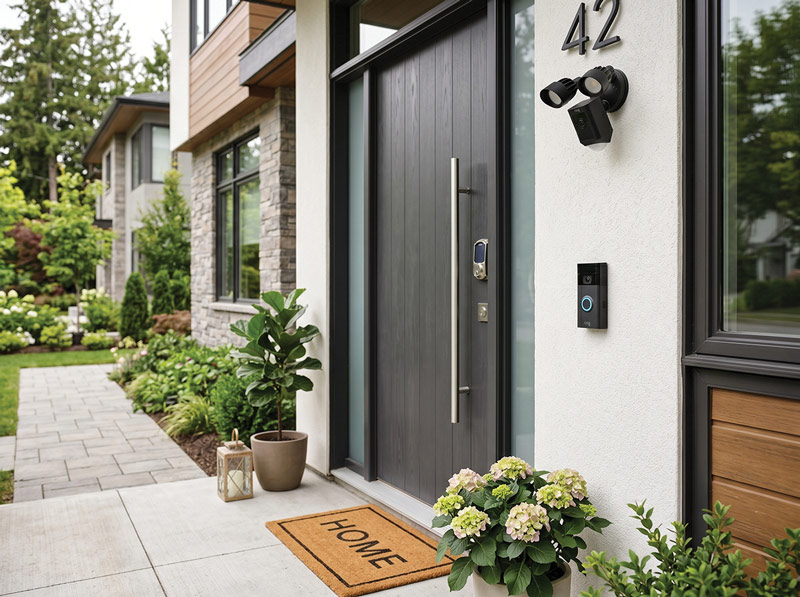
The residential construction industry continues to evolve as homebuyers seek greater convenience, efficiency, security, and connectivity. One of the most significant trends influencing new home construction is smart home integration.
Once considered a luxury upgrade, smart home technology has become an increasingly common expectation among buyers, particularly younger families and technology-oriented consumers. Builders who understand how to effectively incorporate these systems can create additional value, differentiate their product, and potentially increase sales velocity and profitability.
Smart home integration refers to the installation of connected devices and infrastructure during construction that allow homeowners to remotely monitor, control, and automate various home functions. Typical features include smart thermostats, video doorbells, smart locks, connected lighting systems, security cameras, garage door controls, leak detection devices, and whole-home Wi-Fi networks. More advanced systems may integrate HVAC controls, appliances, irrigation systems, and energy management platforms into a single application accessible from a smartphone or tablet.
From a builder's perspective, one of the primary advantages of incorporating smart home technology during construction is cost efficiency. Installing smart devices during the building process is generally less expensive and less disruptive than retrofitting them after occupancy. Entry-level smart home packages typically range from $500 to $2,000 per home and may include a smart thermostat, smart lock, video doorbell, and connected lighting controls. More comprehensive packages featuring integrated security systems, whole-home automation hubs, distributed Wi-Fi networks, and energy management systems can range from $3,000 to $10,000 or more depending on the home's size and the sophistication of the technology selected.
While these costs are relatively modest compared to the overall construction budget, the potential sales benefits can be substantial. Today's buyers increasingly view smart technology as a standard feature rather than a luxury upgrade. Homes equipped with integrated technology often appeal to a broader buyer pool and may compare more favorably against competing properties. Smart home features can create a perception of modernity, innovation, and enhanced value, particularly when combined with energy-efficient building systems and high-performance construction practices.
Energy management capabilities represent another important selling point. Smart thermostats, automated lighting controls, and integrated energy monitoring systems help homeowners reduce utility consumption while improving comfort. As utility costs continue to rise, buyers are increasingly attracted to technology that can provide measurable monthly savings. Builders can leverage these benefits as part of a broader marketing strategy focused on sustainability, operating cost reduction, and long-term home performance.
Security is similarly important to many homebuyers. Smart locks, video doorbells, connected cameras, and remote monitoring applications provide homeowners with greater peace of mind and control over their property. These features are particularly appealing to busy families, frequent travelers, and homeowners managing deliveries and service providers. The perceived safety benefits often resonate strongly during the purchasing decision.
Looking ahead, smart home technology is likely to become an increasingly standard component of new residential construction. Builders who proactively integrate these systems can position themselves as forward-thinking industry leaders while providing tangible benefits to their customers. By investing in carefully selected smart home packages, builders can enhance marketability, support higher perceived value, and improve buyer satisfaction, all while adding relatively modest costs to the overall construction project. In a competitive housing market, smart home integration may be one of the most effective ways to distinguish a new home from the competition.
By Scott Lackey, RWC Technical Supervisor