
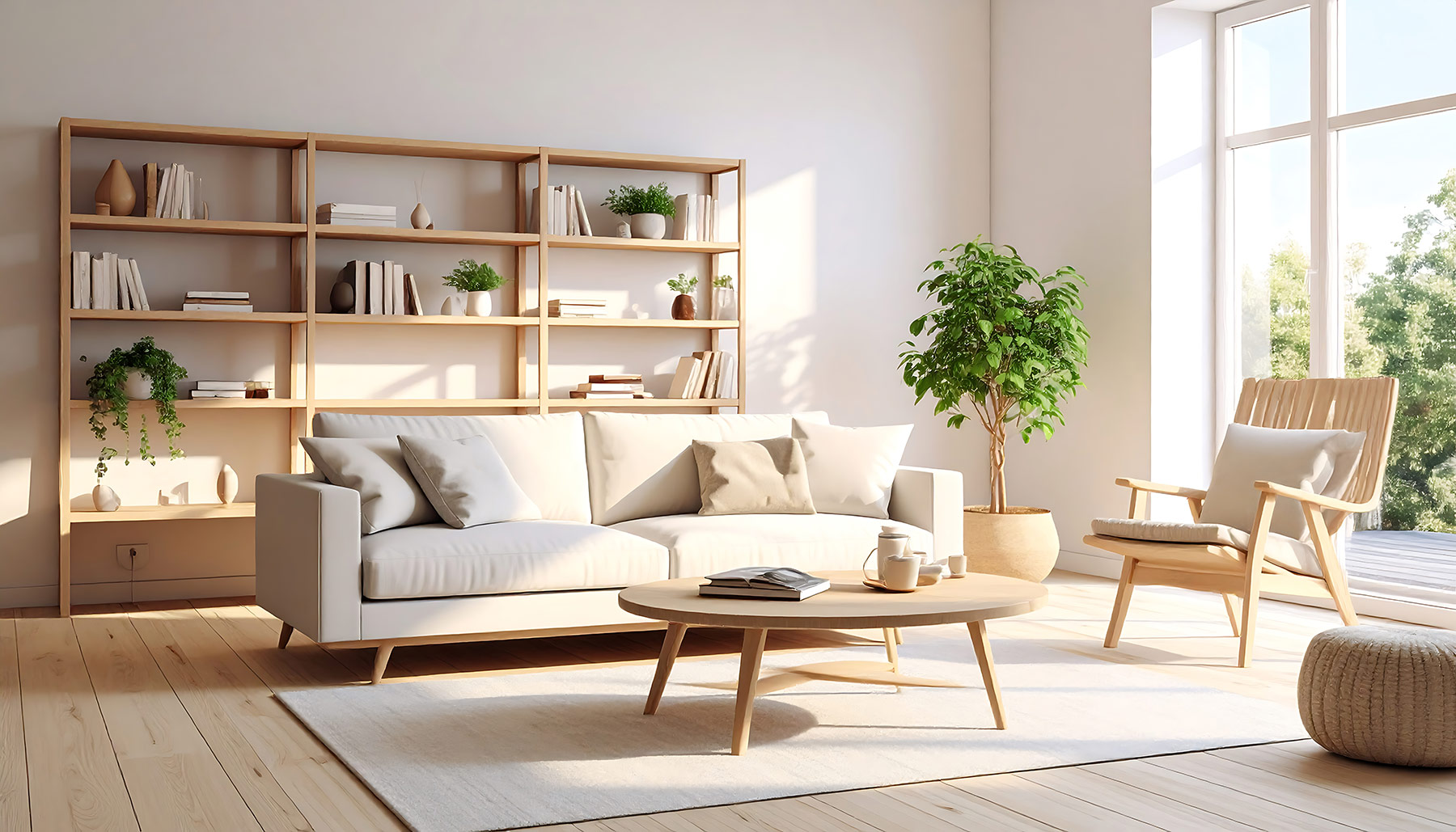
Previously, we discussed the appeal of the flex room to give homebuyers versatility in their home space. Another similar trend has been gaining traction in the industry thanks to a growing shift that is emerging among today’s buyers: the desire for separation, privacy, and personal retreat. As a result, the away room is making a strong comeback, creating a valuable opportunity for homebuilders to address evolving consumer preferences.
The concept of an away room is simple yet powerful. Unlike a flex room that is designed to serve multiple purposes, an away room is intentionally created as a place of escape. It offers homeowners a dedicated space to relax, recharge, focus, or simply enjoy a moment of solitude away from the activity of the main living areas. In an increasingly connected and often hectic world, that sense of personal refuge has become more important than ever.
Several factors are driving the resurgence of away rooms. First, households are busier and more diverse in how they use their homes. Family members may be working remotely, attending virtual classes, gaming, streaming entertainment, or pursuing hobbies simultaneously. While open-concept layouts encourage interaction, they can also create noise, distractions, and a lack of privacy. Homeowners are recognizing the value of having a separate space where they can disconnect from household activity without leaving home entirely.
Mental wellness has also become a significant influence on residential design. Buyers increasingly view their homes as sanctuaries rather than simply places to live. An away room provides an environment that supports relaxation, mindfulness, reading, creative pursuits, or quiet reflection. Whether used for meditation, conversation, music, or simply enjoying a cup of coffee in peace, these spaces contribute to a home's overall livability and emotional appeal.
Successful away rooms are distinguished by their location and atmosphere. Builders should consider placing them away from primary traffic patterns and active gathering areas. Proximity to a private courtyard, covered porch, or scenic outdoor view can further enhance the room's retreat-like character. Design elements such as larger windows, comfortable proportions, sound insulation, and softer lighting can help establish a calm and welcoming environment.
It’s important to note, the away room is not limited to luxury homes. Buyers across a variety of price points appreciate spaces that provide privacy and separation. Even a modestly sized room can become a highly valued feature when thoughtfully designed. In many cases, homeowners perceive greater value from a dedicated retreat space than from simply expanding common living areas.
From a marketing perspective, the away room offers builders a compelling differentiator. While many homes may feature similar square footage and amenities, few provide intentional spaces designed specifically for personal well-being. Showcasing an away room allows prospective buyers to envision a lifestyle that balances connection with privacy—a combination that speaks strongly in today's market.
As home design continues to evolve, builders who recognize the growing demand for personal retreat spaces will be well positioned to meet the needs of modern buyers. The resurgence of the away room reflects a broader shift in how people want to live: connected when they choose to be, but with the ability to step away when they need to. By incorporating thoughtfully designed away rooms into future floorplans, homebuilders can deliver homes that feel more functional, more comfortable, and ultimately more desirable.