
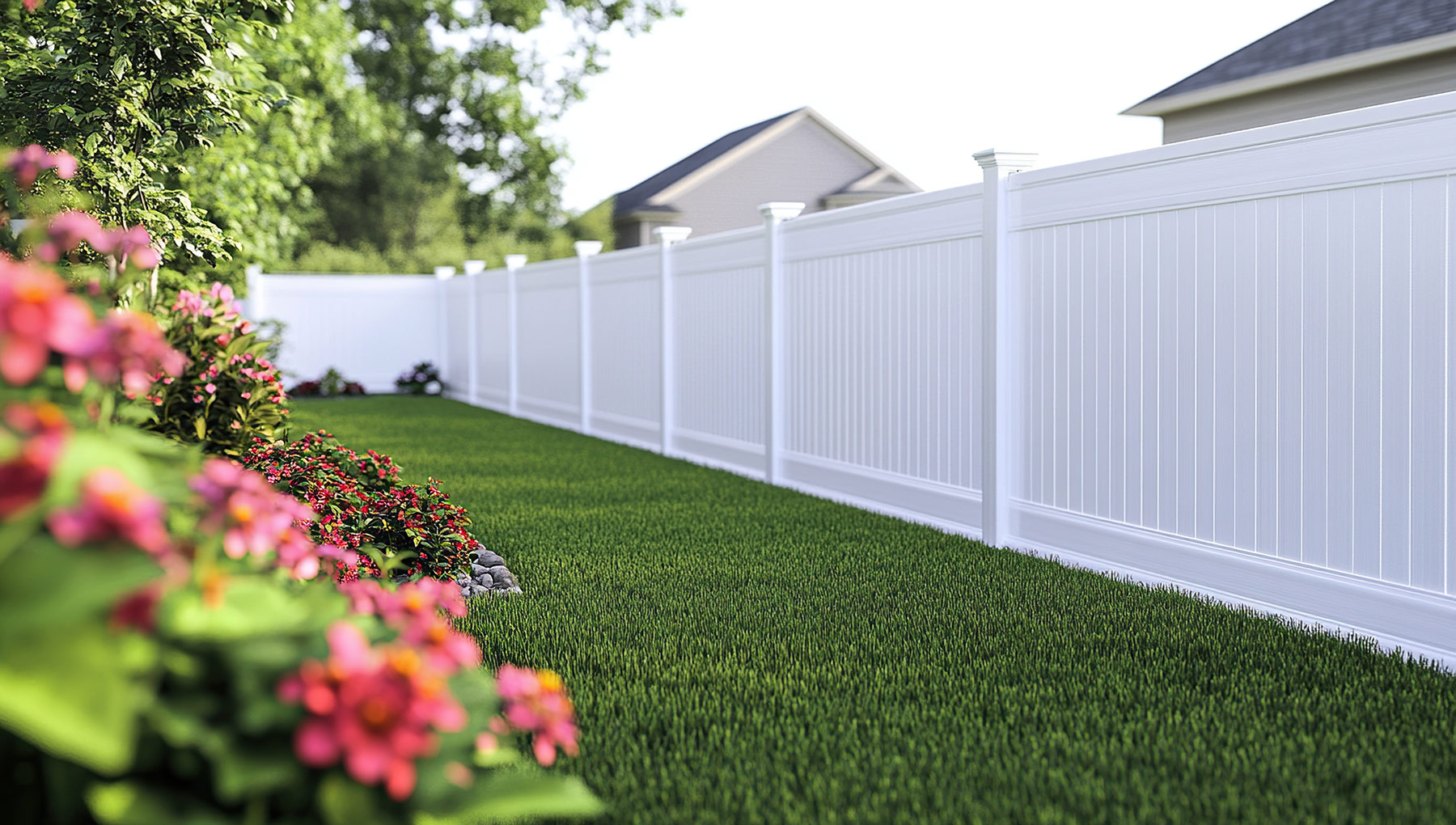
A home is more than the building itself—it is also part of a neighborhood. Whether you have lived on your street for years or just moved in, a little consideration around shared property lines can prevent awkward conversations, costly disputes, and unnecessary stress. From fences and trees to drainage and landscaping, property-line issues are common. The good news: most can be handled with clear communication, reasonable expectations, and a willingness to work together.
Start With the Facts
Before making changes near a property line, confirm where that line actually is. A fence, hedge, or row of shrubs may look like a boundary, but it is not always placed precisely on the legal property line. If there is uncertainty — especially before installing a fence, shed, driveway extension, or major landscaping feature — it may be worth consulting a licensed surveyor. Knowing the facts upfront can save both neighbors from having to undo expensive work later.
Talk Before You Build
A new fence can add privacy, help contain pets, and improve curb appeal. It can also become a point of tension if it appears without warning. Before installing or replacing a fence along a shared boundary, let your neighbor know what you are planning. Discuss practical details such as height, materials, style, placement, timeline, and access needed during construction. If both households will benefit from the fence, you may also want to discuss sharing the cost. Even when there is no legal obligation to split expenses, a cooperative conversation can make the project feel like a neighborhood improvement rather than a surprise next door.
A thoughtful rule of thumb: install the finished side of the fence facing your neighbor whenever possible. It is a small gesture that tends to go a long way.
Handle Shared Fences as Shared Responsibilities
If a fence sits directly on the property line, it may be considered a shared fence, depending on local laws and prior agreements. That can make repairs, replacement, and maintenance a joint conversation. If the fence is leaning, damaged in a storm, or simply reaching the end of its life, avoid assuming the other neighbor will pay — or that they will agree to your preferred replacement. Share photos, explain the issue, and suggest a few options. When you reach an agreement, putting the basics in writing can help.
Be Mindful of Trees That Cross Property Lines
Trees are beautiful, valuable additions to a yard, but they can create tricky situations when branches, roots, leaves, or fruit extend into a neighboring property. In many places, a homeowner may be allowed to trim branches or roots that cross onto their property, as long as the work does not damage or kill the tree. However, tree laws vary by location, and large or unhealthy trees can involve safety concerns and liability questions.
The neighborly approach is to communicate before taking action. If branches are hanging over a roof, blocking a walkway, dropping debris into a pool, or creating a safety concern, mention it early and calmly. The tree owner may be willing to arrange trimming or share the cost of professional work. For major pruning, trees near power lines, or concerns about a tree’s health, bring in a qualified arborist. Cutting corners around a mature tree can lead to damage that is much more expensive than routine maintenance.
Keep Landscaping From Becoming a Boundary Battle
Hedges, vines, garden beds, retaining walls, and decorative borders can all blur the line between two properties. Before planting something that will spread, grow tall, or require regular trimming from the other side, consider how it may affect your neighbor over time.
Fast-growing bamboo, invasive vines, and large shrubs can become a major headache when they cross into another yard. Choose plants suited to the space, maintain them regularly, and keep them from blocking paths, windows, drainage areas, or views where possible. If you share a hedge or landscaping feature, coordinate on upkeep. One neighbor trimming aggressively while the other prefers a fuller look is a recipe for frustration.
Pay Attention to Water and Drainage
Water has a way of finding the path of least resistance—and sometimes that path is straight into a neighbor’s yard. Changes such as new patios, grading, gutters, downspouts, pools, landscaping, or driveway work can alter how water flows around a property. Before starting a project, think about where runoff will go during heavy rain.
Directing water toward a neighboring property can cause erosion, standing water, foundation concerns, or damaged landscaping. If drainage is already a problem, speak with your neighbor and consider solutions such as gutter extensions, French drains, grading adjustments, or professional drainage evaluation.
Give Notice Before Work Begins
Property-line projects often require contractors, equipment, or temporary access near a neighbor’s yard. A quick heads-up is courteous and practical. Let your neighbor know when work will begin, how long it is expected to last, whether noise or dust is likely, and whether workers may need access close to the boundary. If pets, children, parking, or gates are involved, advance notice is especially helpful. You do not need permission for every project on your own property, but communication can make the process smoother for everyone.
Keep Conversations Calm and Specific
Disagreements can happen, even between friendly neighbors. When they do, focus on the issue rather than making it personal. Instead of saying, “Your tree is ruining my yard,” try, “Several branches are hanging over the roof, and I am worried about damage during the next storm. Could we talk about trimming options?” Use photos, measurements, and specific examples when helpful. Listen to the other person’s perspective, and look for solutions that address the concern without escalating the situation. If a conversation becomes difficult, consider involving a neutral professional, such as a surveyor, arborist, contractor, mediator, homeowners association representative, or local code office.
Know When to Check Local Rules
Fence height, setbacks, tree removal, drainage, and property-line structures can all be regulated by local ordinances, homeowners association rules, and state laws. Requirements can vary widely, so it is wise to check before starting work. This is especially important for projects involving permits, retaining walls, pools, large sheds, major grading, or trees near utility lines.
A Little Courtesy Protects More Than Your Property
Good property-line etiquette is not just about avoiding disputes. It is about protecting the comfort, value, and long-term enjoyment of everyone’s home. A quick conversation before a fence goes up, a cooperative plan for an overhanging tree, or a thoughtful approach to drainage can preserve a positive relationship for years. When homeowners communicate early and maintain shared spaces responsibly, they help create the kind of neighborhood people are happy to call home.
This article is for general informational purposes only and is not legal advice. Property laws and local regulations vary, so homeowners should consult qualified local professionals when questions involve legal boundaries, permits, liability, or significant property damage.