
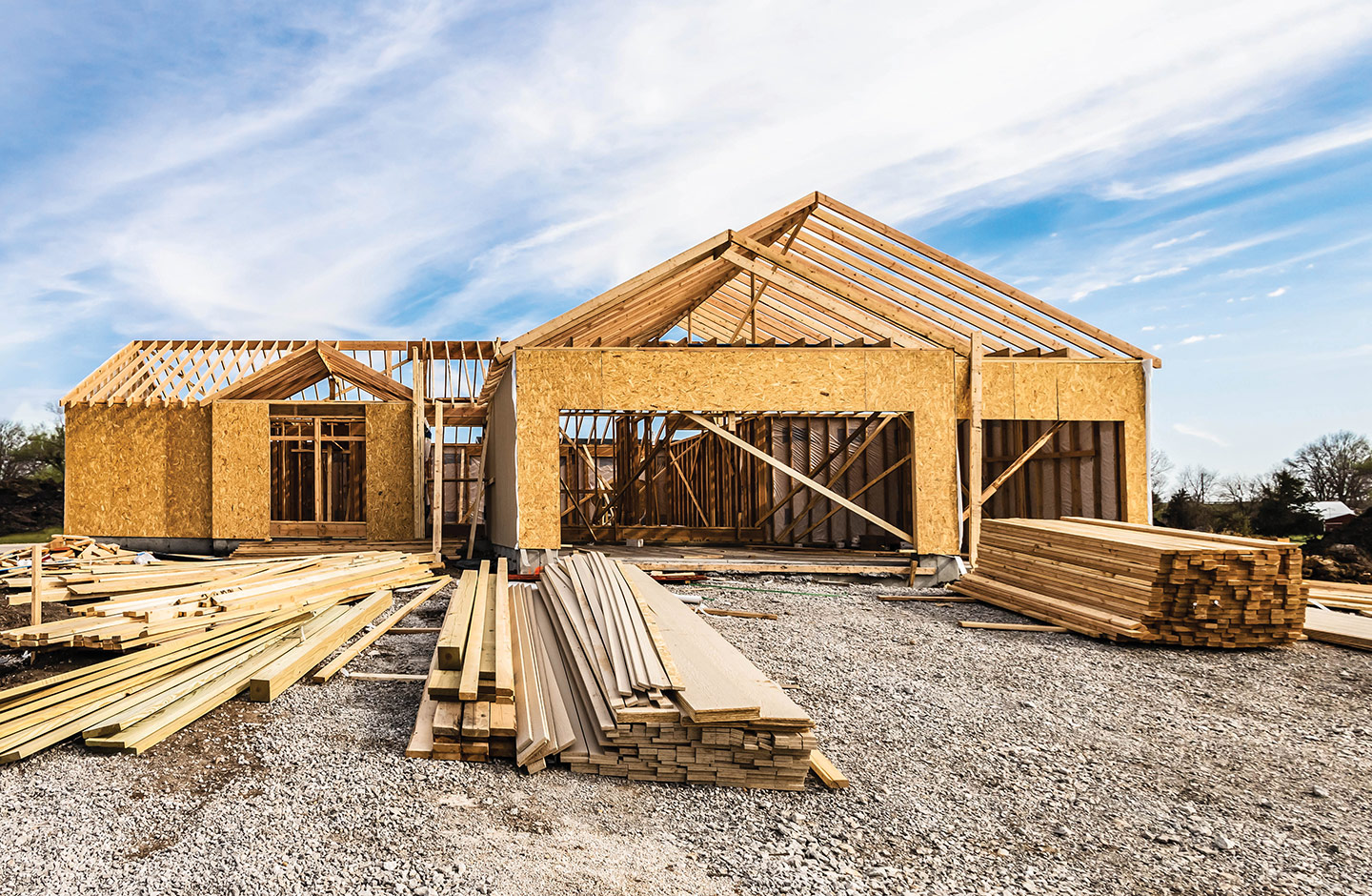
In residential construction, profit margins are often won or lost in the details nobody talks about during the sales process. While material pricing and labor rates usually dominate budgeting conversations, experienced builders know the real financial threats tend to emerge in the “hidden” categories — the overlooked expenses that quietly erode margins, delay schedules, and strain client relationships.
For professional home builders operating in today’s market, understanding and proactively managing these hidden costs is essential not only for profitability, but also for maintaining reputation, client trust, and operational stability.
Modern residential construction faces a unique combination of pressures, notably including volatile material pricing, ongoing labor shortages, longer lead times, increasing code complexity, rising insurance and financing costs, and more demanding homeowner expectations. A project that appears profitable on paper can quickly become marginal once indirect and unplanned costs begin accumulating. Builders who consistently succeed are typically the ones who account for uncertainty before construction begins.
Design Revisions and Scope Creep: Clients often continue refining floor plans, finishes, and structural options well into the planning phase. Every revision may require additional architectural coordination, engineering updates, permit resubmissions, repricing of materials and labor, and adjusted scheduling. Even small modifications can create cascading administrative costs that are rarely visible to homeowners.
Site Evaluation and Engineering: Raw land frequently introduces surprises that can include poor soil conditions, drainage complications, rock excavation, tree removal, environmental mitigation requirements, and utility access limitations. Without detailed geotechnical analysis early in the process, builders may inherit significant unforeseen site-development expenses.
- Permit Delays and Municipal Requirements. Permitting timelines have become increasingly unpredictable in many jurisdictions. Hidden costs associated with permitting often include:
Municipalities are also enforcing stricter energy-efficiency, stormwater, and zoning compliance requirements, creating additional consulting and revision expenses. Builders who fail to build adequate time contingencies into schedules often absorb these costs directly.
- Material Price Volatility. While most builders anticipate fluctuations in lumber pricing, volatility now affects nearly every construction category from electrical components, HVAC equipment, concrete products, windows and doors to plumbing fixtures and roofing materials. Long lead times further complicate budgeting because quoted prices may expire before installation occurs.
- The Margin Compression Problem. Fixed-price contracts can become especially risky during volatile markets. Builders may secure a project based on current pricing only to discover major increases weeks later when materials are finally ordered. Protection can be sought through measures like escalation clauses, allowance structures, early procurement strategies, and supplier relationship agreements. Without these protections, material inflation can quietly eliminate expected profits.
In many regions, reliable subcontractor availability has become one of the most valuable assets a builder can maintain.
- Client-Driven Change Orders. Change orders are one of the most common — and underestimated — sources of hidden cost. Even when builders charge for modifications, the true impact often extends beyond the direct change itself. A single late-stage client revision may trigger material reorder fees, lost labor efficiency, demolition and rework, schedule disruptions, trade coordination conflicts, and inspection rescheduling. The administrative burden alone can become substantial on highly customized homes.
If you manage expectations early, it can be a game-changer. Builders who invest heavily in pre-construction communication often experience fewer costly mid-project changes. Detailed selections, transparent allowances, and documented approvals can significantly reduce downstream friction.
- Warranty and Post-Completion Expenses. The project is not financially complete when the homeowner moves in. Post-construction costs frequently include:
These costs are often under-budgeted despite directly affecting long-term client satisfaction and referral business. Builders with weak closeout processes may spend months absorbing unpaid follow-up work.
- Insurance, Financing, and Carrying Costs. Many indirect expenses continue accumulating throughout construction:
Longer project timelines magnify all of these categories simultaneously. Even weather delays can create significant carrying-cost exposure when schedules are already tight.
- Technology and Administrative Overhead. Modern residential construction requires significantly more operational infrastructure than in previous decades. Today’s builders often absorb costs related to:
While these tools improve efficiency, they also add ongoing overhead that must be reflected in pricing structures.
- Energy Code Compliance and Sustainability Requirements. Energy efficiency expectations continue rising across the industry. Builders now face growing costs associated with advanced insulation systems, air sealing verification, energy testing, higher-efficiency HVAC systems, smart home integration, and solar readiness requirements. These upgrades may improve long-term homeowner value, but they also increase upfront construction complexity and coordination.
- Reputation Costs: The Most Overlooked Expense. Perhaps the largest hidden cost is reputational damage caused by poor communication, missed timelines, or unexpected pricing disputes. In an industry driven heavily by referrals and online reviews, a single poorly managed project can affect future revenue opportunities for years. Professional builders increasingly recognize that transparency itself is a financial strategy. When clients understand realistic timelines, contingency planning, material volatility, and change-order implications, they are far more likely to remain cooperative when challenges emerge.
Strategies to Protect Margins
Reduce hidden-cost exposure by implementing disciplined operational systems:
Build Larger Contingencies Into Budgets - Contingency allowances should reflect current market volatility, not historical norms.
Strengthen Pre-Construction Processes - Investing more time before breaking ground often prevents expensive downstream corrections.
Use Detailed Scope Documentation - Clear specifications reduce ambiguity for both clients and subcontractors.
Vet Subcontractors Carefully - Reliable trade partners reduce delays, rework, and supervision costs.
Communicate Constantly With Clients - Transparent communication minimizes surprises and helps preserve trust during inevitable project changes.
Track Cost Data Aggressively - Builders who monitor historical job-cost data are better positioned to estimate future projects accurately.
Hidden costs are no longer occasional disruptions in residential construction — they are a permanent part of the business environment. The builders who remain consistently profitable are not necessarily the ones with the lowest bids or fastest schedules. They are the ones who understand the full financial ecosystem of a project and prepare for uncertainty before it appears. For professional home builders, profitability today depends less on avoiding hidden costs entirely and more on anticipating, managing, and communicating them effectively. In a market defined by complexity, operational discipline has become one of the industry’s greatest competitive advantages.