
The passage of the 21st Century ROAD to Housing Act marks a major step toward addressing America's housing shortage while supporting the residential construction industry. By reducing regulatory barriers, encouraging innovative building methods, and promoting the development of new housing, the legislation is expected to help builders deliver more homes to meet growing demand.
For builders, this creates new opportunities—but also increased responsibility. As more homes are built and more families achieve homeownership, buyers will continue to expect quality construction backed by trusted protection. That's where Residential Warranty Company (RWC) plays an essential role.
Supporting Builders in a Changing Housing Market
The ROAD to Housing Act is designed to streamline housing development and expand access to affordable homes by cutting bureaucratic red tape, increasing private investment, and modernizing federal housing programs. As builders respond to these opportunities, maintaining customer confidence becomes increasingly important.
Key Components of the 21st Century Road to Housing Act
Streamlining Construction & Planning: The law cuts costly red tape by streamlining and expanding exemptions from lengthy federal environmental reviews. It also empowers local communities to speed up permitting by utilizing pre-approved “pattern book” designs (such as duplexes and townhouses) and establishes guidelines for point-access block (single-stair) multifamily buildings.
Expanding Financing & Investment: It encourages private construction lending by lifting the Public Welfare Investment cap for supervised banks, increasing community banking operations, and updating FHA multifamily and manufactured housing loan limits. It also makes community land trusts eligible for HOME Program funding and adds new construction as an eligible use under the Community Development Block Grant (CDBG) program.
Protecting Individual Homebuyers: To expand access for everyday families, the law curbs unfair competition by restricting large institutional investors from buying additional single-family homes if they already own a massive portfolio.
An RWC structural warranty helps builders demonstrate their commitment to quality while providing valuable protection for homeowners. Backed by decades of experience, RWC warranty programs help reduce builder risk, offer a clear process for addressing structural warranty claims, and provide homeowners with added peace of mind.
Building Consumer Confidence
Today's homebuyers are making one of the largest investments of their lives. In a market where affordability and value are top priorities, a structural warranty offers reassurance that their new home is protected against qualified structural defects.
For builders, offering an RWC warranty can help:
- Differentiate your business in a competitive marketplace.
- Reinforce your reputation for quality craftsmanship.
- Increase buyer confidence during the purchasing process.
- Provide third-party warranty protection that supports long-term customer satisfaction.
Preparing for Growth
As the housing industry continues to evolve, builders who combine efficient construction practices with strong consumer protections will be best positioned for long-term success. Legislative efforts like the 21st Century ROAD to Housing Act are expected to encourage additional residential development, making trusted partnerships more valuable than ever.
Residential Warranty Company remains committed to supporting builders with industry-leading structural warranty programs, risk management resources, and exceptional customer service. Together, we can help build stronger communities while giving homebuyers the confidence they deserve. Whether you’re building your first home of the year or your thousandth, RWC is proud to be your partner in protecting what matters most.
A home is more than the building itself—it is also part of a neighborhood. Whether you have lived on your street for years or just moved in, a little consideration around shared property lines can prevent awkward conversations, costly disputes, and unnecessary stress. From fences and trees to drainage and landscaping, property-line issues are common. The good news: most can be handled with clear communication, reasonable expectations, and a willingness to work together.
Start With the Facts
Before making changes near a property line, confirm where that line actually is. A fence, hedge, or row of shrubs may look like a boundary, but it is not always placed precisely on the legal property line. If there is uncertainty — especially before installing a fence, shed, driveway extension, or major landscaping feature — it may be worth consulting a licensed surveyor. Knowing the facts upfront can save both neighbors from having to undo expensive work later.
Talk Before You Build
A new fence can add privacy, help contain pets, and improve curb appeal. It can also become a point of tension if it appears without warning. Before installing or replacing a fence along a shared boundary, let your neighbor know what you are planning. Discuss practical details such as height, materials, style, placement, timeline, and access needed during construction. If both households will benefit from the fence, you may also want to discuss sharing the cost. Even when there is no legal obligation to split expenses, a cooperative conversation can make the project feel like a neighborhood improvement rather than a surprise next door.
A thoughtful rule of thumb: install the finished side of the fence facing your neighbor whenever possible. It is a small gesture that tends to go a long way.
Handle Shared Fences as Shared Responsibilities
If a fence sits directly on the property line, it may be considered a shared fence, depending on local laws and prior agreements. That can make repairs, replacement, and maintenance a joint conversation. If the fence is leaning, damaged in a storm, or simply reaching the end of its life, avoid assuming the other neighbor will pay — or that they will agree to your preferred replacement. Share photos, explain the issue, and suggest a few options. When you reach an agreement, putting the basics in writing can help.
Be Mindful of Trees That Cross Property Lines
Trees are beautiful, valuable additions to a yard, but they can create tricky situations when branches, roots, leaves, or fruit extend into a neighboring property. In many places, a homeowner may be allowed to trim branches or roots that cross onto their property, as long as the work does not damage or kill the tree. However, tree laws vary by location, and large or unhealthy trees can involve safety concerns and liability questions.
The neighborly approach is to communicate before taking action. If branches are hanging over a roof, blocking a walkway, dropping debris into a pool, or creating a safety concern, mention it early and calmly. The tree owner may be willing to arrange trimming or share the cost of professional work. For major pruning, trees near power lines, or concerns about a tree’s health, bring in a qualified arborist. Cutting corners around a mature tree can lead to damage that is much more expensive than routine maintenance.
Keep Landscaping From Becoming a Boundary Battle
Hedges, vines, garden beds, retaining walls, and decorative borders can all blur the line between two properties. Before planting something that will spread, grow tall, or require regular trimming from the other side, consider how it may affect your neighbor over time.
Fast-growing bamboo, invasive vines, and large shrubs can become a major headache when they cross into another yard. Choose plants suited to the space, maintain them regularly, and keep them from blocking paths, windows, drainage areas, or views where possible. If you share a hedge or landscaping feature, coordinate on upkeep. One neighbor trimming aggressively while the other prefers a fuller look is a recipe for frustration.
Pay Attention to Water and Drainage
Water has a way of finding the path of least resistance—and sometimes that path is straight into a neighbor’s yard. Changes such as new patios, grading, gutters, downspouts, pools, landscaping, or driveway work can alter how water flows around a property. Before starting a project, think about where runoff will go during heavy rain.
Directing water toward a neighboring property can cause erosion, standing water, foundation concerns, or damaged landscaping. If drainage is already a problem, speak with your neighbor and consider solutions such as gutter extensions, French drains, grading adjustments, or professional drainage evaluation.
Give Notice Before Work Begins
Property-line projects often require contractors, equipment, or temporary access near a neighbor’s yard. A quick heads-up is courteous and practical. Let your neighbor know when work will begin, how long it is expected to last, whether noise or dust is likely, and whether workers may need access close to the boundary. If pets, children, parking, or gates are involved, advance notice is especially helpful. You do not need permission for every project on your own property, but communication can make the process smoother for everyone.
Keep Conversations Calm and Specific
Disagreements can happen, even between friendly neighbors. When they do, focus on the issue rather than making it personal. Instead of saying, “Your tree is ruining my yard,” try, “Several branches are hanging over the roof, and I am worried about damage during the next storm. Could we talk about trimming options?” Use photos, measurements, and specific examples when helpful. Listen to the other person’s perspective, and look for solutions that address the concern without escalating the situation. If a conversation becomes difficult, consider involving a neutral professional, such as a surveyor, arborist, contractor, mediator, homeowners association representative, or local code office.
Know When to Check Local Rules
Fence height, setbacks, tree removal, drainage, and property-line structures can all be regulated by local ordinances, homeowners association rules, and state laws. Requirements can vary widely, so it is wise to check before starting work. This is especially important for projects involving permits, retaining walls, pools, large sheds, major grading, or trees near utility lines.
A Little Courtesy Protects More Than Your Property
Good property-line etiquette is not just about avoiding disputes. It is about protecting the comfort, value, and long-term enjoyment of everyone’s home. A quick conversation before a fence goes up, a cooperative plan for an overhanging tree, or a thoughtful approach to drainage can preserve a positive relationship for years. When homeowners communicate early and maintain shared spaces responsibly, they help create the kind of neighborhood people are happy to call home.
This article is for general informational purposes only and is not legal advice. Property laws and local regulations vary, so homeowners should consult qualified local professionals when questions involve legal boundaries, permits, liability, or significant property damage.
Homebuyers continue to place a premium on outdoor living spaces that extend the comfort and functionality of the home beyond its walls. From expansive composite decks and custom patios to fully equipped outdoor kitchens, these features have become key selling points in today’s new construction market. For builders, outdoor living spaces offer an opportunity to differentiate projects, increase home value, and meet evolving buyer expectations. As these spaces become more sophisticated, however, builders must also consider quality construction practices, material performance, and long-term durability to ensure homeowner satisfaction.
Custom Decks: Combining Style and Performance
Today’s deck designs are larger, more customized, and built to serve multiple purposes. Popular trends include:
- Multi-level deck configurations that create dedicated spaces for dining, entertaining, and relaxation.
- Composite decking materials that offer durability and reduced maintenance requirements.
- Integrated lighting systems that improve safety and enhance ambiance.
- Built-in seating, privacy screens, and fire features that add functionality and visual appeal.
As deck designs become more complex, proper installation, drainage considerations, and structural integrity remain critical to long-term performance.
Patios Designed for Year-Round Enjoyment
- Modern patios are evolving into outdoor living rooms that homeowners can enjoy throughout multiple seasons. Current trends include:
- Large-format pavers and decorative concrete finishes.
- Covered patios and pergolas that provide shade and weather protection.
- Outdoor fireplaces and fire pits that extend usability during cooler months.
- Thoughtfully designed landscaping that creates privacy and complements the home’s architecture.
- Built-in grills and cooking stations.
- Refrigeration and beverage centers.
- Durable stone countertops and weather-resistant cabinetry.
- Entertainment systems and bar seating areas.
Because outdoor kitchens incorporate multiple building components, including plumbing, electrical systems, and appliances, careful planning and coordination among trades are essential to ensure quality installation and long-term reliability.
Creating a Seamless Indoor-Outdoor Experience
One of the most influential trends in residential construction is the desire for a seamless transition between indoor and outdoor spaces. There are a variety of methods used to accomplish this. You can install expansive sliding and folding glass door systems, and pair that with open-concept floor plans that flow naturally to outdoor living areas. Consistent design elements can be utilized to connect interior and exterior spaces. And a modern touch would be to include integrated smart-home technology that extends into outdoor environments. These design choices not only enhance the homeowner experience but can also increase perceived living space and overall home value.
Quality Construction Matters Beyond the Closing Date
As outdoor living spaces become more elaborate, homeowners expect these investments to perform as beautifully as they look. Proper installation practices, quality materials, and attention to detail play an important role in reducing callbacks and supporting homeowner confidence. Builders who focus on craftsmanship and long-term durability help protect both their reputation and the homeowner’s investment.
Supporting Builders Through Every Stage of Homeownership
Outdoor living spaces are helping shape the future of residential construction, offering homeowners more ways to enjoy their homes while creating new opportunities for builders to stand out in the marketplace.
As buyer expectations continue to evolve, builders benefit from partners who understand the importance of quality construction and homeowner satisfaction. A comprehensive home warranty program, like the many options offered by RWC and affiliates, can provide added peace of mind by helping protect homeowners after closing while reinforcing a builder’s commitment to delivering lasting value.
The result is more than a beautiful outdoor oasis—it’s a home built to inspire confidence for years to come.
Home buyers are no longer looking only for square footage and finishes — they want homes that are comfortable, energy-efficient, durable, and built for the future. For builders, that shift creates a major opportunity. Advances in insulation, HVAC technology, and sustainable materials are making it easier than ever to construct high-performance homes that reduce operating costs while increasing long-term value.
High-Performance Insulation Raises the Standard
Modern insulation systems are doing far more than meeting code minimums. High-performance options such as spray foam, rigid exterior insulation, insulated concrete forms (ICFs), and advanced mineral wool products help create tighter building envelopes that minimize heat loss and air leakage. The result is improved indoor comfort, lower utility bills, better moisture control, and reduced strain on HVAC systems. Builders investing in superior insulation strategies are also finding it easier to meet stricter energy codes and green certification requirements.
Heat Pumps Are Becoming the Preferred HVAC Solution
Heat pump technology has evolved rapidly in recent years, making all-electric heating and cooling practical even in colder climates. Today’s air-source and ground-source heat pumps offer impressive efficiency, quieter operation, and lower emissions compared to traditional furnaces and air conditioners. For builders, heat pumps provide several advantages:
- Reduced energy consumption
- Simplified mechanical systems
- Compatibility with solar energy
- Increased appeal to energy-conscious buyers
As electrification trends continue and utility incentives expand, heat pumps are expected to become a standard feature in many new residential developments.
Net-Zero Homes Are Moving Into the Mainstream
Net-zero homes — properties designed to produce as much energy as they consume annually — are no longer niche projects. Improvements in building science, renewable energy systems, and smart home technology are making net-zero construction increasingly attainable. A typical net-zero strategy combines:
- Airtight construction
- High-performance windows and insulation
- Efficient HVAC and water heating systems
- Solar photovoltaic systems
- Smart energy monitoring
Builders who adopt net-zero principles now position themselves ahead of future code changes while appealing to buyers seeking long-term energy savings and environmental responsibility.
Sustainable Materials Are Reshaping Construction
Innovation in eco-friendly building materials is accelerating across the industry. Today’s sustainable products are not only environmentally responsible; many also outperform conventional materials in durability and maintenance. Popular options include:
- Engineered wood products that reduce waste
- Recycled steel framing
- Low-carbon concrete alternatives
- Bamboo flooring and paneling
- Reclaimed wood finishes
- Composite decking made from recycled plastics
These materials help reduce environmental impact while offering strength, longevity, and modern design flexibility.
Durability Is the New Sustainability
Sustainability is no longer measured solely by recycled content. Long-lasting, low-maintenance materials contribute significantly to environmental performance by reducing repair cycles, replacement waste, and lifecycle costs. Builders who prioritize durability alongside efficiency can deliver homes that maintain value, perform better over time, and require fewer resources throughout their lifespan.
Building for the Next Generation
Energy efficiency and sustainable construction are rapidly becoming expectations rather than upgrades. Home builders who embrace high-performance insulation, heat pump technology, net-zero strategies, and innovative materials will be better positioned to meet changing buyer demands and evolving regulations. The future of residential construction belongs to homes that are smarter, healthier, more resilient, and built with long-term performance in mind.
If you’re like some of us at RWC, you may be a reader who enjoys a lifelong relationship with books. We can remember the ones that got us started on that path. One was that Dr. Suess Alphabet book that captured our imagination and made reading fun. Then there was a book about Babe Ruth that recounted his childhood in an orphanage, his mastery of hitting a baseball, and his larger-than-life off field adventures. That one was the subject of our first book report. It was quickly followed by a book about the great quarterbacks of the NFL, which revealed, in its Y. A. Tittle chapter, that a person could be both bald and an NFL quarterback at the same time, a revelation that amazed us at the time.
By finding books at the library or from a suggestion by a caring teacher or family member, we then discovered stories like Sheila Burnford’s The Incredible Journey. We can remember lying in bed trying to read by flashlight (when our parents wanted us to go to sleep) because we were deeply invested in the welfare of that cat and those two dogs we had come to know so well. And then Harper Lee’s To Kill a Mockingbird sealed the deal, as we learned important lessons, not from a textbook’s endless stream of facts and assignments, but from a work of fiction that touched our minds, hearts, and souls.
Since then, we’ve read hundreds of books that entertained, educated, or captivated us all the way to their thrilling, meaningful, or startling endings. Over time, we also began many other books that we simply couldn’t finish. There are a few reasons why we keep reading books to the end and remember some books all our lives and why we forget the many that we toss aside without finishing.
First, a good author keeps us turning the pages so that the end of each chapter leaves us thirsting for the story to continue. Another is the skill of the author in creating interesting characters who we care about and thought-provoking circumstances in which we can imagine ourselves—in other words a product of such good quality that we simply must have it. Then there is the hook that captures our imagination and makes us want to know whether that cat and those dogs make it home or whether Atticus Finch can get Tom Robinson the justice he deserves.
As builders, we can learn a lot from the books we’ve loved. For example, when a customer sees your billboard or online ad, does he want to turn the page and visit your office or model home, or does he throw that experience on the pile of ads that were easy to ignore or never really grabbed his attention in the first place? Once in your office or model home, what does he think about the quality of the product you want to sell him? Can he picture the happy ending that comes from living out the thousands of pages and hundreds of chapters of his life in the home you will build him, or does he lose interest because nothing you have to offer stands out from the crowd? When he drives into your development, does he think, “Wow, this must be a great place to live,” or does he turn around after a block or two to look for a place that gets his juices flowing?
And don’t forget that hook that draws a reader into a world he wants to experience or, in our case, captivates a potential home buyer. What is your hook? Is it quality of craftsmanship or value? Is it affordability or design? Is it small low maintenance lots or big yards where the kids can play? Or is it some combination of these qualities? If you find the right hook, you’ll be better able to reel those customers in and grow the kind of company you have always dreamed of having.
What’s your story? Is it a well-crafted one whose hook keeps bringing you customers? We hope it’s a page turner that tells your customers and prospective customers that time spent with you will be something they will always remember and give them an experience that positively changes their lives forever.
Speaking of books, there is no better book you can give your customers at contract time than a warranty from Residential Warranty Company. Over more than four decades, RWC has provided warranty protection on over four million homes. We offer a wide variety of warranty options like our standard ten-year warranty, our Day 1 coverage warranty, our extended appliance and systems warranties, and our specialty warranties for remodeling projects, detached garages, and commercial construction. Only RWC has developed and offers its members a customized state warranty that mirrors each state’s statute of repose and accommodates other state specific issues. All RWC warranties provide clear performance standards that help create realistic homeowner expectations and provide a road map to resolve even the stickiest customer complaints.
At RWC, every guarantee our warranties make is backed by Western Pacific Mutual Insurance Company, RRG. Western Pacific has an A- rating from A. M. Best and only insures home warranty and similar new home construction risks, like builders’ general liability, which can be offered through the RWC Insurance Advantage program to RWC members. No other warranty company has an insurer with this kind of strength solely dedicated to covering builders and their homes.
Each person or company is the author of their own destiny. Here’s hoping that yours is a bright and successful one and that, with RWC at your side, your homes are best sellers!
Have a great summer!
Here are a few key warranty highlights we find our builders appreciate*.
- Only warranted elements which are specifically designated in the warranty standards are covered by this Limited Warranty.
- Actions taken to cure Defects will NOT extend the periods of specified coverages in this Limited Warranty.
- When the homeowner’s request for warranty performance is determined to be a warranted issue, the Warrantor reserves the right to repair or replace the warranted item, or to pay them the reasonable cost of repair or replacement.
- The homeowner must provide the Warrantor and/or Administrator with reasonable weekday access during normal business hours to inspect the condition of your Home and/or to perform their obligations.
- Under this Limited Warranty, the Warrantor is not responsible for exact color, texture or finish matches in situations where materials are replaced or repaired, or for areas repainted or when original materials are discontinued.
- Cost incurred for unauthorized repairs to warranted items are not reimbursable. Written authorization prior to incurring expenses must be obtained from the Administrator.
Notable Exclusions from Coverage:
- Any Consequential Damages.
- Loss or damage to, or caused by, recreational facilities; driveways; walkways; patios, porches and stoops not structurally attached; decks and balconies which are not bolted to or cantilevered from the main structure of the Home; boundary and/or retaining walls; bulkheads; fences; landscaping, sodding, seeding, shrubs, trees and plantings; subsurface drainage systems (other than footer drains); lawn sprinkler systems; off-site improvements, including streets, sidewalks, adjacent property and the like; or any other improvements not part of the Home itself.
- Any Defect consisting of, caused by, contributed to, or aggravated by moisture, wet or dry, rot, mold, mildew, fungus or rust, regardless of the originating cause of any moisture or water penetration that leads to the Defect.
- Loss of damage to the Home, persons or property directly or indirectly caused by insects, birds, vermin, rodents, or wild or domestic animals.
Should you have any questions regarding coverage please reach out to our Warranty Resolution Department at 800-247-1812.
*Some items not applicable in New Jersey (#317 warranty booklet).
By Sandra Sweigert, RWC
Add a polished touch to your office or model home with our high quality, sturdy brochure holder. Ready to use right out of the box.
No assembly required and no cost to you!
Naturally, you'll also need pamphlets to fill it. We offer several choices of literature which explains to the buyer how the warranty works and its benefits. Click here to browse our brochures, flyers, signage and other marketing items.
JUNE 4, 2026
Meeting held at:
Residential Warranty Co, LLC
5300 Derry Street
Harrisburg, PA 17111
WHY DOES REMODELING MONTH MATTER?
POSITION YOUR BUSINESS FOR MAXIMUM IMPACT
- “What does a kitchen remodel actually cost in 2026?”
- “How long will my home be disrupted?”
- “Which upgrades give the best ROI?”
- Project timelines
- Unexpected challenges and how you solved them
- Client testimonials that speak to communication and reliability
- Promote limited booking windows
- Offer free consultations or design audits
- Highlight projects that can be completed before fall
- Energy-efficient windows and insulation
- Sustainable materials
- Electrification upgrades (heat pumps, induction cooking)
- Hybrid office/guest rooms
- Finished basements with flexible layouts
- Garage conversions and ADUs
- Curbless showers
- Wider doorways
- First-floor living conversions
MARKETING MOVES THAT ACTUALLY WORK
OPERATIONAL CHECK-IN
- Are your project timelines realistic?
- Is your pricing keeping up with material and labor costs?
- Is your team prepared for increased demand?
At Residential Warranty Company LLC (RWC) and HOME of Texas, protecting homes has always been at the heart of what we do. But building stronger communities goes far beyond service contracts and coverage plans—it’s about showing up, giving back, and investing in the people and neighborhoods we serve. That’s why we are proud to collaborate with HomeAid Houston through one of its most exciting and impactful events of the year: the HomeAid Houston Golf Tournament, to be held this year on April 16 at the Wildcat Golf Club. This partnership represents more than just a sponsorship—it’s a shared commitment to strengthening Texas communities.
A MEANINGFUL COLLABORATION
The HomeAid Houston Golf Tournament brings together industry professionals, local businesses, and community leaders for a day of connection, competition, and purpose. For RWC and HOME, participating in this event is a natural extension of our mission. As a company dedicated to helping homeowners feel secure and supported, aligning with an organization that works tirelessly to uplift communities is both meaningful and inspiring.
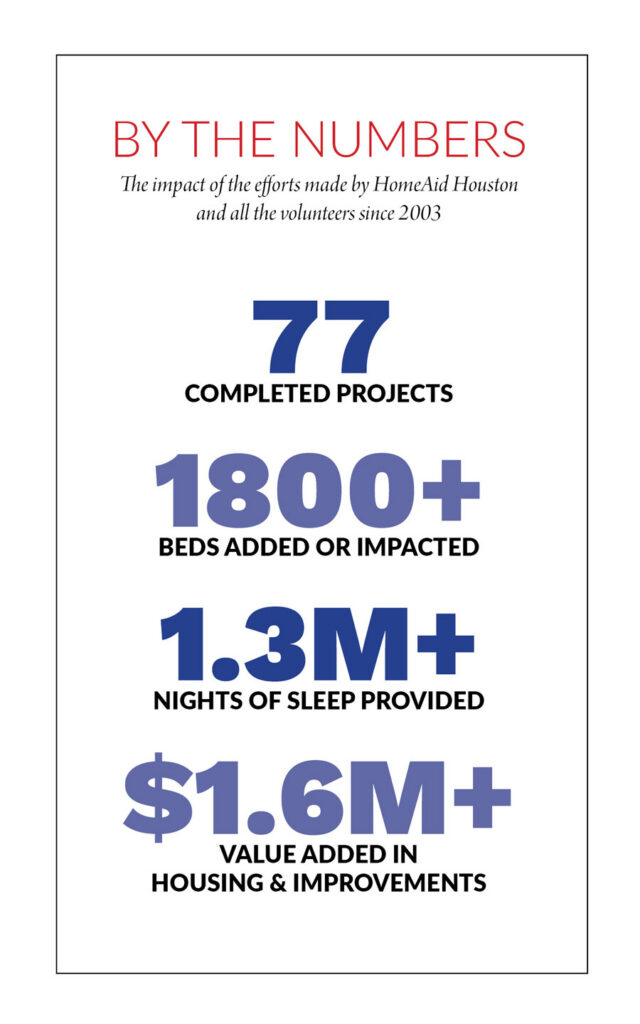 Through strategic advertising and event collaboration, we are able to not only increase awareness of our services but also shine a spotlight on the incredible work HomeAid Houston is doing across Texas.
THE GOOD HOMEAID HOUSTON BRINGS TO TEXAS
HomeAid Houston has built a powerful reputation for its commitment to helping vulnerable populations, including individuals experiencing homelessness, and families in need of housing support. By partnering with builders, developers, and community organizations, HomeAid Houston creates opportunities for safe shelter, education, and long-term stability.

Their work doesn’t stop at housing. HomeAid Houston actively invests in programs that promote self-sufficiency, dignity, and hope—helping individuals rebuild their lives and communities grow stronger together. Every initiative is rooted in compassion and driven by the belief that everyone deserves a place to call home.
MORE THAN A GAME OF GOLF
The annual golf tournament is more than just a day on the green—it’s a catalyst for change. Funds raised during the event directly support HomeAid Houston’s outreach programs, making a tangible difference in the lives of countless Texans.
For RWC and HOME, being part of this event means contributing to something bigger. It’s an opportunity to connect with like-minded partners, engage with the community, and reinforce our commitment to service—not just to homeowners, but to humanity.
LOOKING AHEAD
As we continue to grow, Residential Warranty Company LLC remains dedicated to making a positive impact beyond our core business. Our collaboration with HomeAid Houston is just one example of how we strive to combine business success with social responsibility.
Together, we are building more than homes—we are building hope, opportunity, and stronger communities.