
Homebuyers continue to place a premium on outdoor living spaces that extend the comfort and functionality of the home beyond its walls. From expansive composite decks and custom patios to fully equipped outdoor kitchens, these features have become key selling points in today’s new construction market. For builders, outdoor living spaces offer an opportunity to differentiate projects, increase home value, and meet evolving buyer expectations. As these spaces become more sophisticated, however, builders must also consider quality construction practices, material performance, and long-term durability to ensure homeowner satisfaction.
Custom Decks: Combining Style and Performance
Today’s deck designs are larger, more customized, and built to serve multiple purposes. Popular trends include:
- Multi-level deck configurations that create dedicated spaces for dining, entertaining, and relaxation.
- Composite decking materials that offer durability and reduced maintenance requirements.
- Integrated lighting systems that improve safety and enhance ambiance.
- Built-in seating, privacy screens, and fire features that add functionality and visual appeal.
As deck designs become more complex, proper installation, drainage considerations, and structural integrity remain critical to long-term performance.
Patios Designed for Year-Round Enjoyment
- Modern patios are evolving into outdoor living rooms that homeowners can enjoy throughout multiple seasons. Current trends include:
- Large-format pavers and decorative concrete finishes.
- Covered patios and pergolas that provide shade and weather protection.
- Outdoor fireplaces and fire pits that extend usability during cooler months.
- Thoughtfully designed landscaping that creates privacy and complements the home’s architecture.
- Built-in grills and cooking stations.
- Refrigeration and beverage centers.
- Durable stone countertops and weather-resistant cabinetry.
- Entertainment systems and bar seating areas.
Because outdoor kitchens incorporate multiple building components, including plumbing, electrical systems, and appliances, careful planning and coordination among trades are essential to ensure quality installation and long-term reliability.
Creating a Seamless Indoor-Outdoor Experience
One of the most influential trends in residential construction is the desire for a seamless transition between indoor and outdoor spaces. There are a variety of methods used to accomplish this. You can install expansive sliding and folding glass door systems, and pair that with open-concept floor plans that flow naturally to outdoor living areas. Consistent design elements can be utilized to connect interior and exterior spaces. And a modern touch would be to include integrated smart-home technology that extends into outdoor environments. These design choices not only enhance the homeowner experience but can also increase perceived living space and overall home value.
Quality Construction Matters Beyond the Closing Date
As outdoor living spaces become more elaborate, homeowners expect these investments to perform as beautifully as they look. Proper installation practices, quality materials, and attention to detail play an important role in reducing callbacks and supporting homeowner confidence. Builders who focus on craftsmanship and long-term durability help protect both their reputation and the homeowner’s investment.
Supporting Builders Through Every Stage of Homeownership
Outdoor living spaces are helping shape the future of residential construction, offering homeowners more ways to enjoy their homes while creating new opportunities for builders to stand out in the marketplace.
As buyer expectations continue to evolve, builders benefit from partners who understand the importance of quality construction and homeowner satisfaction. A comprehensive home warranty program, like the many options offered by RWC and affiliates, can provide added peace of mind by helping protect homeowners after closing while reinforcing a builder’s commitment to delivering lasting value.
The result is more than a beautiful outdoor oasis—it’s a home built to inspire confidence for years to come.
In residential construction, profit margins are often won or lost in the details nobody talks about during the sales process. While material pricing and labor rates usually dominate budgeting conversations, experienced builders know the real financial threats tend to emerge in the “hidden” categories — the overlooked expenses that quietly erode margins, delay schedules, and strain client relationships.
For professional home builders operating in today’s market, understanding and proactively managing these hidden costs is essential not only for profitability, but also for maintaining reputation, client trust, and operational stability.
Modern residential construction faces a unique combination of pressures, notably including volatile material pricing, ongoing labor shortages, longer lead times, increasing code complexity, rising insurance and financing costs, and more demanding homeowner expectations. A project that appears profitable on paper can quickly become marginal once indirect and unplanned costs begin accumulating. Builders who consistently succeed are typically the ones who account for uncertainty before construction begins.
Design Revisions and Scope Creep: Clients often continue refining floor plans, finishes, and structural options well into the planning phase. Every revision may require additional architectural coordination, engineering updates, permit resubmissions, repricing of materials and labor, and adjusted scheduling. Even small modifications can create cascading administrative costs that are rarely visible to homeowners.
Site Evaluation and Engineering: Raw land frequently introduces surprises that can include poor soil conditions, drainage complications, rock excavation, tree removal, environmental mitigation requirements, and utility access limitations. Without detailed geotechnical analysis early in the process, builders may inherit significant unforeseen site-development expenses.
- Permit Delays and Municipal Requirements. Permitting timelines have become increasingly unpredictable in many jurisdictions. Hidden costs associated with permitting often include:
- Idle labor scheduling
- Equipment downtime
- Extended financing carry costs
- Delayed subcontractor availability
- Re-inspection fees
- Additional documentation requests
Municipalities are also enforcing stricter energy-efficiency, stormwater, and zoning compliance requirements, creating additional consulting and revision expenses. Builders who fail to build adequate time contingencies into schedules often absorb these costs directly.
- Material Price Volatility. While most builders anticipate fluctuations in lumber pricing, volatility now affects nearly every construction category from electrical components, HVAC equipment, concrete products, windows and doors to plumbing fixtures and roofing materials. Long lead times further complicate budgeting because quoted prices may expire before installation occurs.
- The Margin Compression Problem. Fixed-price contracts can become especially risky during volatile markets. Builders may secure a project based on current pricing only to discover major increases weeks later when materials are finally ordered. Protection can be sought through measures like escalation clauses, allowance structures, early procurement strategies, and supplier relationship agreements. Without these protections, material inflation can quietly eliminate expected profits.
- Overtime premiums
- Schedule compression expenses
- Rework from inexperienced crews
- Productivity decline due to understaffing
- Increased project management oversight
- Delays caused by subcontractor overbooking
In many regions, reliable subcontractor availability has become one of the most valuable assets a builder can maintain.
- Client-Driven Change Orders. Change orders are one of the most common — and underestimated — sources of hidden cost. Even when builders charge for modifications, the true impact often extends beyond the direct change itself. A single late-stage client revision may trigger material reorder fees, lost labor efficiency, demolition and rework, schedule disruptions, trade coordination conflicts, and inspection rescheduling. The administrative burden alone can become substantial on highly customized homes.
If you manage expectations early, it can be a game-changer. Builders who invest heavily in pre-construction communication often experience fewer costly mid-project changes. Detailed selections, transparent allowances, and documented approvals can significantly reduce downstream friction.
- Warranty and Post-Completion Expenses. The project is not financially complete when the homeowner moves in. Post-construction costs frequently include:
- Warranty callbacks
- Minor cosmetic repairs
- Appliance coordination
- Punch-list labor
- Seasonal adjustments
- Customer service administration
These costs are often under-budgeted despite directly affecting long-term client satisfaction and referral business. Builders with weak closeout processes may spend months absorbing unpaid follow-up work.
- Insurance, Financing, and Carrying Costs. Many indirect expenses continue accumulating throughout construction:
- Builder’s risk insurance
- General liability coverage
- Workers’ compensation
- Interest on construction loans
- Equipment rental extensions
- Temporary utilities
- Security measures
Longer project timelines magnify all of these categories simultaneously. Even weather delays can create significant carrying-cost exposure when schedules are already tight.
- Technology and Administrative Overhead. Modern residential construction requires significantly more operational infrastructure than in previous decades. Today’s builders often absorb costs related to:
- Project management software
- Estimating platforms
- CRM systems
- Drone surveying
- Digital plan management
- Cybersecurity
- Accounting integration
- Compliance tracking
While these tools improve efficiency, they also add ongoing overhead that must be reflected in pricing structures.
- Energy Code Compliance and Sustainability Requirements. Energy efficiency expectations continue rising across the industry. Builders now face growing costs associated with advanced insulation systems, air sealing verification, energy testing, higher-efficiency HVAC systems, smart home integration, and solar readiness requirements. These upgrades may improve long-term homeowner value, but they also increase upfront construction complexity and coordination.
- Reputation Costs: The Most Overlooked Expense. Perhaps the largest hidden cost is reputational damage caused by poor communication, missed timelines, or unexpected pricing disputes. In an industry driven heavily by referrals and online reviews, a single poorly managed project can affect future revenue opportunities for years. Professional builders increasingly recognize that transparency itself is a financial strategy. When clients understand realistic timelines, contingency planning, material volatility, and change-order implications, they are far more likely to remain cooperative when challenges emerge.
Strategies to Protect Margins
Reduce hidden-cost exposure by implementing disciplined operational systems:
Build Larger Contingencies Into Budgets - Contingency allowances should reflect current market volatility, not historical norms.
Strengthen Pre-Construction Processes - Investing more time before breaking ground often prevents expensive downstream corrections.
Use Detailed Scope Documentation - Clear specifications reduce ambiguity for both clients and subcontractors.
Vet Subcontractors Carefully - Reliable trade partners reduce delays, rework, and supervision costs.
Communicate Constantly With Clients - Transparent communication minimizes surprises and helps preserve trust during inevitable project changes.
Track Cost Data Aggressively - Builders who monitor historical job-cost data are better positioned to estimate future projects accurately.
Hidden costs are no longer occasional disruptions in residential construction — they are a permanent part of the business environment. The builders who remain consistently profitable are not necessarily the ones with the lowest bids or fastest schedules. They are the ones who understand the full financial ecosystem of a project and prepare for uncertainty before it appears. For professional home builders, profitability today depends less on avoiding hidden costs entirely and more on anticipating, managing, and communicating them effectively. In a market defined by complexity, operational discipline has become one of the industry’s greatest competitive advantages.
If you’re like some of us at RWC, you may be a reader who enjoys a lifelong relationship with books. We can remember the ones that got us started on that path. One was that Dr. Suess Alphabet book that captured our imagination and made reading fun. Then there was a book about Babe Ruth that recounted his childhood in an orphanage, his mastery of hitting a baseball, and his larger-than-life off field adventures. That one was the subject of our first book report. It was quickly followed by a book about the great quarterbacks of the NFL, which revealed, in its Y. A. Tittle chapter, that a person could be both bald and an NFL quarterback at the same time, a revelation that amazed us at the time.
By finding books at the library or from a suggestion by a caring teacher or family member, we then discovered stories like Sheila Burnford’s The Incredible Journey. We can remember lying in bed trying to read by flashlight (when our parents wanted us to go to sleep) because we were deeply invested in the welfare of that cat and those two dogs we had come to know so well. And then Harper Lee’s To Kill a Mockingbird sealed the deal, as we learned important lessons, not from a textbook’s endless stream of facts and assignments, but from a work of fiction that touched our minds, hearts, and souls.
Since then, we’ve read hundreds of books that entertained, educated, or captivated us all the way to their thrilling, meaningful, or startling endings. Over time, we also began many other books that we simply couldn’t finish. There are a few reasons why we keep reading books to the end and remember some books all our lives and why we forget the many that we toss aside without finishing.
First, a good author keeps us turning the pages so that the end of each chapter leaves us thirsting for the story to continue. Another is the skill of the author in creating interesting characters who we care about and thought-provoking circumstances in which we can imagine ourselves—in other words a product of such good quality that we simply must have it. Then there is the hook that captures our imagination and makes us want to know whether that cat and those dogs make it home or whether Atticus Finch can get Tom Robinson the justice he deserves.
As builders, we can learn a lot from the books we’ve loved. For example, when a customer sees your billboard or online ad, does he want to turn the page and visit your office or model home, or does he throw that experience on the pile of ads that were easy to ignore or never really grabbed his attention in the first place? Once in your office or model home, what does he think about the quality of the product you want to sell him? Can he picture the happy ending that comes from living out the thousands of pages and hundreds of chapters of his life in the home you will build him, or does he lose interest because nothing you have to offer stands out from the crowd? When he drives into your development, does he think, “Wow, this must be a great place to live,” or does he turn around after a block or two to look for a place that gets his juices flowing?
And don’t forget that hook that draws a reader into a world he wants to experience or, in our case, captivates a potential home buyer. What is your hook? Is it quality of craftsmanship or value? Is it affordability or design? Is it small low maintenance lots or big yards where the kids can play? Or is it some combination of these qualities? If you find the right hook, you’ll be better able to reel those customers in and grow the kind of company you have always dreamed of having.
What’s your story? Is it a well-crafted one whose hook keeps bringing you customers? We hope it’s a page turner that tells your customers and prospective customers that time spent with you will be something they will always remember and give them an experience that positively changes their lives forever.
Speaking of books, there is no better book you can give your customers at contract time than a warranty from Residential Warranty Company. Over more than four decades, RWC has provided warranty protection on over four million homes. We offer a wide variety of warranty options like our standard ten-year warranty, our Day 1 coverage warranty, our extended appliance and systems warranties, and our specialty warranties for remodeling projects, detached garages, and commercial construction. Only RWC has developed and offers its members a customized state warranty that mirrors each state’s statute of repose and accommodates other state specific issues. All RWC warranties provide clear performance standards that help create realistic homeowner expectations and provide a road map to resolve even the stickiest customer complaints.
At RWC, every guarantee our warranties make is backed by Western Pacific Mutual Insurance Company, RRG. Western Pacific has an A- rating from A. M. Best and only insures home warranty and similar new home construction risks, like builders’ general liability, which can be offered through the RWC Insurance Advantage program to RWC members. No other warranty company has an insurer with this kind of strength solely dedicated to covering builders and their homes.
Each person or company is the author of their own destiny. Here’s hoping that yours is a bright and successful one and that, with RWC at your side, your homes are best sellers!
Have a great summer!
Here’s a true story. The name of the builder has been omitted to preserve privacy.
Years ago we sold a Builders Risk insurance policy to a builder in New Jersey. The project was near the coast. Flood insurance could have been added to the policy, but the premium was a bit stiff given the proximity of the Atlantic and the fact it was still hurricane season. This builder’s project was just getting underway. A foundation had been laid, but not much else was done. It was fairly late in the hurricane season. Now, we all have to make business decisions that often entail risk. Our builder made his decision, which may have been to save the cost of adding flood insurance to the Builders Risk policy. Whatever the reason, it was only a short time later that Superstorm Sandy devasted the East Coast. At the time, it was the second costliest hurricane on record. Our builder had approximately $60,000 worth of materials at the jobsite when the storm hit. It was a total loss. None of it was covered.
There are three ways to deal with risk. One is called avoidance. Don’t build close to the Atlantic Ocean during hurricane season. That’s a simple sounding approach, but hardly practical. The second is assumption of risk. This is the method our builder chose. You may not think this was a conscious decision, but deciding not to insure a risk doesn’t make the risk go away. Of course, the third method is risk transference. We purchase insurance and in exchange for the premium we pay, we transfer the risk to our insurance company.
I hope I’m not insulting anyone’s intelligence with these very simple ideas, but the fact is the risks of flood are seriously underestimated by many. Here are some sobering statistics from the Federal Emergency Management Agency (FEMA):
- Floods are the #1 natural disaster in the US.
- Each year in the US, floods causes billions in losses.
- Just one inch of water can cause severe damage to property.
- Most property insurance, including Builders Risk, does not automatically cover flood losses.
- 30% of all flood insurance claims are made in low to moderate risk areas.
- New construction can increase flood risk, especially if it changes natural runoff paths.
- Only about 5 million Americans have flood insurance. Millions more are either unaware of the their risk or don’t know the options available to them.
Now that you know more about the risk of flood, what about taking a good look at your risk? FEMA has a helpful website: www.floodsmart.gov. Here you can find out if your project is at risk. Then, give us a call at 866-454-2155 x2124 and ask for Allison Jefferies. If you already have Builders Risk with us, she can determine if flood insurance is available. Not insured with us, or looking for Builders Risk? We can help. Visit our website to learn more and to get a quote.
www.rwcinsuranceadvantage.com/products/builders-risk/
The RWC Insurance Advantage (RIA) program is offered exclusively to our builder members. Because of that, we are able to avoid the high risks associated with other
commercial operations. Thus, we keep the cost of claims low and pass the savings on to you.
866-454-2156 or info@rwcinsuranceadvantage.com.
By Doug Davis, EAIC / RWC Insurance Advantage
WHY DOES REMODELING MONTH MATTER?
POSITION YOUR BUSINESS FOR MAXIMUM IMPACT
- “What does a kitchen remodel actually cost in 2026?”
- “How long will my home be disrupted?”
- “Which upgrades give the best ROI?”
- Project timelines
- Unexpected challenges and how you solved them
- Client testimonials that speak to communication and reliability
- Promote limited booking windows
- Offer free consultations or design audits
- Highlight projects that can be completed before fall
- Energy-efficient windows and insulation
- Sustainable materials
- Electrification upgrades (heat pumps, induction cooking)
- Hybrid office/guest rooms
- Finished basements with flexible layouts
- Garage conversions and ADUs
- Curbless showers
- Wider doorways
- First-floor living conversions
MARKETING MOVES THAT ACTUALLY WORK
OPERATIONAL CHECK-IN
- Are your project timelines realistic?
- Is your pricing keeping up with material and labor costs?
- Is your team prepared for increased demand?
At Residential Warranty Company LLC (RWC) and HOME of Texas, protecting homes has always been at the heart of what we do. But building stronger communities goes far beyond service contracts and coverage plans—it’s about showing up, giving back, and investing in the people and neighborhoods we serve. That’s why we are proud to collaborate with HomeAid Houston through one of its most exciting and impactful events of the year: the HomeAid Houston Golf Tournament, to be held this year on April 16 at the Wildcat Golf Club. This partnership represents more than just a sponsorship—it’s a shared commitment to strengthening Texas communities.
A MEANINGFUL COLLABORATION
The HomeAid Houston Golf Tournament brings together industry professionals, local businesses, and community leaders for a day of connection, competition, and purpose. For RWC and HOME, participating in this event is a natural extension of our mission. As a company dedicated to helping homeowners feel secure and supported, aligning with an organization that works tirelessly to uplift communities is both meaningful and inspiring.
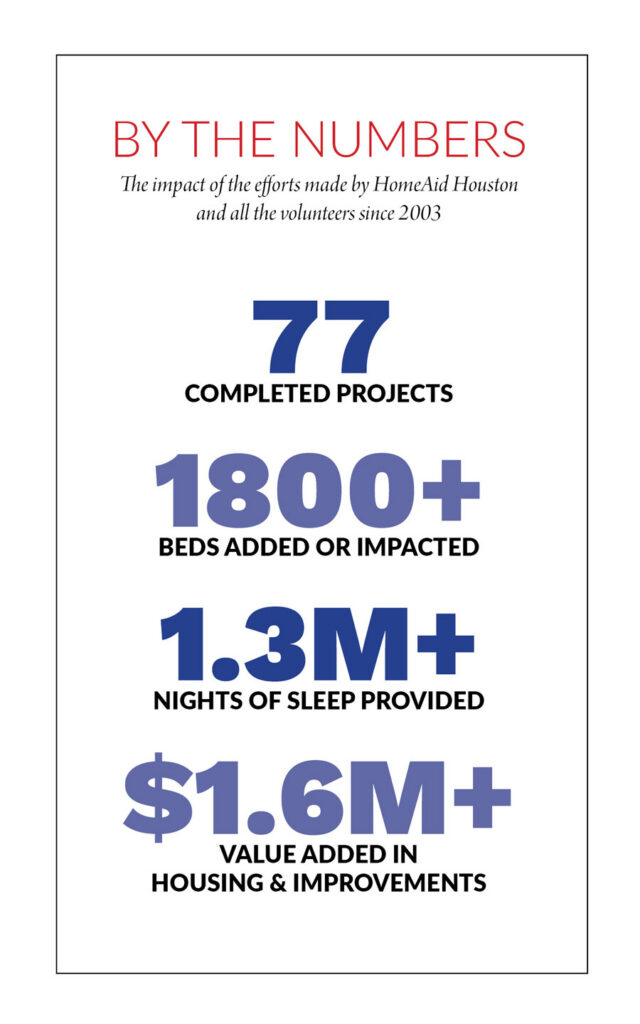 Through strategic advertising and event collaboration, we are able to not only increase awareness of our services but also shine a spotlight on the incredible work HomeAid Houston is doing across Texas.
THE GOOD HOMEAID HOUSTON BRINGS TO TEXAS
HomeAid Houston has built a powerful reputation for its commitment to helping vulnerable populations, including individuals experiencing homelessness, and families in need of housing support. By partnering with builders, developers, and community organizations, HomeAid Houston creates opportunities for safe shelter, education, and long-term stability.

Their work doesn’t stop at housing. HomeAid Houston actively invests in programs that promote self-sufficiency, dignity, and hope—helping individuals rebuild their lives and communities grow stronger together. Every initiative is rooted in compassion and driven by the belief that everyone deserves a place to call home.
MORE THAN A GAME OF GOLF
The annual golf tournament is more than just a day on the green—it’s a catalyst for change. Funds raised during the event directly support HomeAid Houston’s outreach programs, making a tangible difference in the lives of countless Texans.
For RWC and HOME, being part of this event means contributing to something bigger. It’s an opportunity to connect with like-minded partners, engage with the community, and reinforce our commitment to service—not just to homeowners, but to humanity.
LOOKING AHEAD
As we continue to grow, Residential Warranty Company LLC remains dedicated to making a positive impact beyond our core business. Our collaboration with HomeAid Houston is just one example of how we strive to combine business success with social responsibility.
Together, we are building more than homes—we are building hope, opportunity, and stronger communities.
The 2026 International Builders’ Show (IBS) in Orlando proved once again why it remains the premier event in the residential construction industry.
This year, 13 members of our team traveled from across the country to represent RWC, HOME, and its affiliates at IBS. With 75,000 attendees at IBS and an impressive 117,000 combined attendees alongside KBIS, the scale and opportunity were undeniable.
Our booth activity was nothing short of electric.
We acquired hundreds of qualified builder leads, driven largely by our new interactive attractions. The debut of our Putt-Putt Plinko game was a true showstopper. It quickly became a sensation on the floor—drawing passersby in to test their luck for a chance to win prizes, including $50 cash on the spot. The generosity caught many attendees by surprise and created an atmosphere of excitement and appreciation.
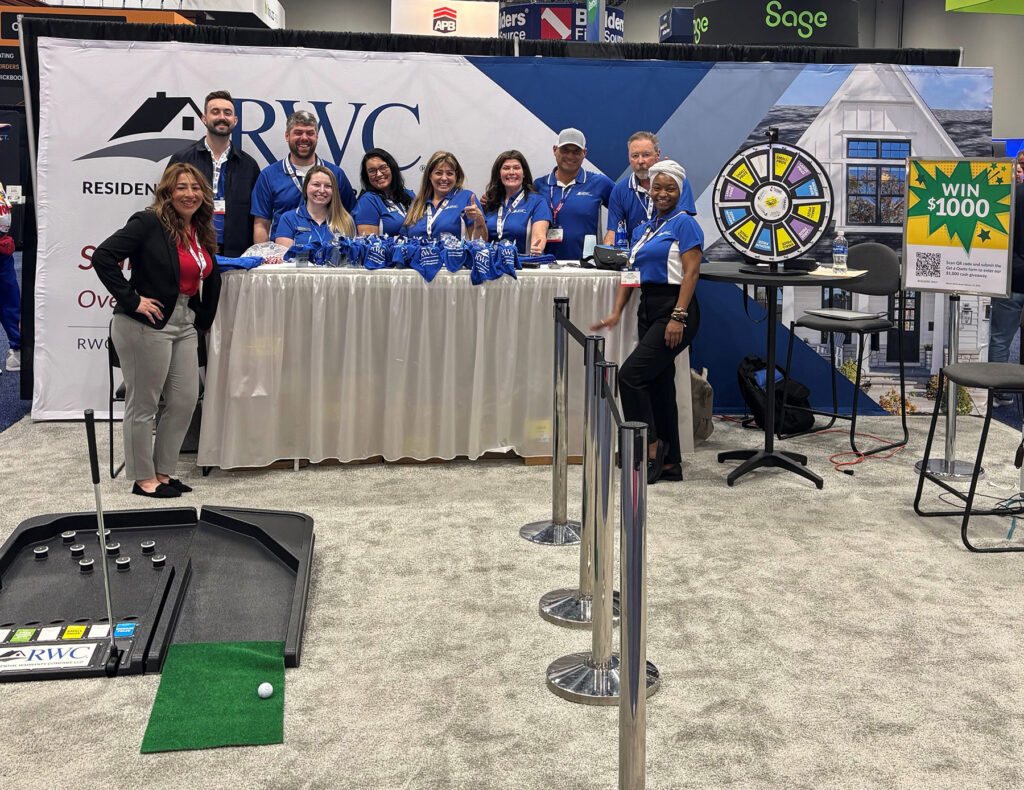
In addition to daily prizes, we gave away a $1,000 cash prize to a qualified builder lead, which was ultimately won by Kauffman Builders of Indiana. Moments like that created buzz, drove meaningful conversations, and reinforced our brand as both engaging and builder focused.
Attendees visiting the booth also received fun promotional items and the opportunity to join our warranty program with either 50% off or a free discount incentive—a compelling offer that generated strong interest and valuable conversations.
From setup to breakdown, our team operated like a well-oiled machine. Aside from occasionally navigating the maze of a show floor still under construction, execution was seamless. Collaboration, professionalism, and hustle were on full display all week.
It wasn’t all business. One of the highlights of the week was our team dinner, where we celebrated year-end achievements and recognized top performers and 2025 Account Executives of the Year.
2025 Account Executive Awards:
Freddy Pesqueira – 3rd Place
Tiaira Satchell – 2nd Place (her first recognition in this category — a huge accomplishment)
Staci Cool – Account Executive of the Year
Recognized for her consistent production, professionalism, and willingness to go above and beyond the scope of her role.
Celebrating these accomplishments together reinforced the strength of our culture and the talent within our organization.
The IBS House Party brought the team together for drinks, great food, live music, and some very entertaining bull riding — with RWC proudly represented in the action.
Some team members even braved the carnival swing ride soaring several hundred feet in the air, while others formed what can only be described as an Orlando scooter gang, buzzing through the city streets on Electric Lime scooters.
It was the perfect blend of hard work and camaraderie.
IBS 2026 was both fun and highly productive. The connections made, the qualified leads generated, and the brand presence established will undoubtedly translate into meaningful new business for RWC in the months ahead.
Just as importantly, the experience strengthened our team and reinforced the culture that drives our success.
Next stop: Las Vegas for IBS 2027.
By: Rich McPhee, National Sales Manager
In an era where design trends are relentlessly future-focused, it’s easy to overlook the charm and character found in older homes. Many traditional design elements tell the story of a space—adding warmth, history, and personality that new builds often lack. Rather than phasing these details out, thoughtfully embracing them allows timeless features to shine for generations to come. Here are several heirloom elements worth preserving and reimagining.
Coffered Ceilings
Coffered ceilings are an ornate architectural detail that instantly elevates the look and feel of a room. By adding depth and dimension overhead, they bring visual interest and character to an often-overlooked surface. While traditional designs typically feature an all-white palette, leaving beams in a natural wood finish or painting within the panels opens the door to endless design possibilities.
Glass Doorknobs
Glass doorknobs became common across the United States after the start of World War I, when metals traditionally used for hardware were redirected to support the war effort. Beyond their historical significance, glass doorknobs are both beautiful and surprisingly durable—making them a distinctive detail that blends form and function.
Antique Mirrors
Mixing antique pieces with modern design elements creates striking visual contrast. An antique mirror paired with contemporary furnishings, for example, can become a focal point that adds depth, elegance, and a sense of history to the space.
Archways
A hallmark of older homes, archways provide a graceful transition between rooms. By softening sharp corners, they introduce a classic charm that feels both welcoming and refined. While many modern homes rely on square door frames, incorporating an archway instantly sets a space apart.
Transom Windows
Transom windows are positioned above doors or windows to encourage natural light and airflow throughout a home. In addition to their practical benefits, they serve as beautiful architectural accents that enhance the overall design.
Antique Light Fixtures
Introducing an antique light fixture—such as a pendant or chandelier—into a contemporary room adds instant character. These statement pieces often bring a touch of Art Deco glamour and serve as eye-catching conversation starters.
Dutch Doors
Originally developed in the Netherlands, Dutch doors were designed to keep children indoors and animals out while allowing fresh air to circulate. Today, their split design remains both charming and functional, offering a unique and welcoming entry point.
Pocket Doors
Pocket doors are a space-saving solution that slides neatly into the wall rather than swinging open. Common in older homes, they’re especially practical in tight spaces while maintaining a clean, streamlined look.
Mosaic Tile
Mosaic tile is a beautiful way to nod to classic design while embracing modern style. When paired with contemporary cabinetry or updated color palettes, it adds texture and elegance without feeling dated.
Doorknockers
Before doorbells, guests announced their arrival with a doorknocker. These decorative elements come in a wide range of shapes, sizes, and designs, making them an easy way to add personality and curb appeal to your front door.
Butler’s Pantry
Traditionally used to store valuable serving pieces such as silverware and china, butler’s pantries were once secured spaces overseen by household staff. Today, they’ve evolved into multifunctional areas often featuring additional storage, cocktail stations, and prep sinks—blending old-world luxury with modern convenience.
Built-In Bookshelves
Built-in bookshelves add instant charm while maximizing storage. Whether displaying books, decorative objects, or personal keepsakes, they bring both beauty and practicality to living spaces.
Wainscoting
Originally designed to protect walls from scuffs and dirt, wainscoting has become a timeless decorative feature. Available in a variety of styles and patterns, it adds texture, depth, and elegance to any room.
Wood-Burning Fireplaces
Before the advent of central heating, fireplaces were essential for warmth. Today, a wood-burning fireplace remains both functional and atmospheric, offering a cozy ambiance—and a nostalgic aroma many homeowners love.
Stained Glass Windows
Stained glass windows were a staple in many older homes and continue to be breathtaking design elements. They infuse spaces with color, light, and a strong sense of history, making them a stunning addition even in modern builds.
Clawfoot Tubs
Clawfoot tubs are a beloved bathroom feature known for their timeless appeal. Often crafted from cast iron, they’re built to last and add undeniable character. For a modern twist, consider painting the exterior in a bold or unexpected hue that complements your style.
A new year is the perfect excuse to refresh more than just your routine. In 2026, why not make your home part of your New Year’s resolutions? Small, thoughtful upgrades can make a big difference in how your space feels—and how you feel living in it.
January: Build a home gym
Skip the commute and make workouts easier by turning an unused room into a simple home gym. A mirror, rubber flooring, a fan, and a TV for workout videos go a long way—and can save serious money on gym memberships.
February: Upgrade your windows
Cold months are ideal for replacing drafty windows. Energy-efficient options keep your home warmer, lower energy bills, and add resale value.
March: Declutter and spring clean
Less stuff = less stress. Tackle one room at a time, donate what you don’t use, and enjoy a cleaner, healthier, more productive home.
April: Add a three-season room
A sunroom or screened-in space gives you more room to relax and enjoy the outdoors—without committing to a full addition.
May: Organize home records
Gather warranties, manuals, and renovation receipts in one place. It’ll save time, money, and headaches later—especially if you sell. (And remember – your RWC warranty stays with your home, which is a notable selling point!)
June: Boost curb appeal
Fresh landscaping, new outdoor furniture, or even a garage door upgrade can instantly improve first impressions and home value.
July: Schedule a plumbing check-up
A quick inspection now can prevent costly surprises later. While you’re at it, test shut-off valves and check for leaks.
August: Go smart
Smart thermostats, doorbells, and security systems make everyday life easier—and appeal to future buyers.
September: Plan a remodel
Thinking kitchen or bath? Start planning early. Gather inspiration, get quotes, and talk to a local agent about what actually adds value.
October: Switch to LED lighting
LED bulbs use less energy, last longer, and can save you hundreds a year—an easy win as nights get longer.
November: Freshen up with paint
Paint is one of the cheapest ways to transform a space. Go neutral if you’re selling, or have fun with color if you’re staying put.
December: Reflect and reset
Take a moment to appreciate everything you improved this year. Staying on top of home maintenance really does pay off—and you’ve earned that celebration.
As climate resilience, rising energy costs, and long-term home value climb higher on homeowners’ priority lists, the role of the builder is evolving. Today’s most successful builders are no longer just constructing houses—they’re future-proofing homes. At the center of this shift are high-performance windows and doors, coupled with smarter, more intentional design decisions that address durability, efficiency, and comfort from day one.
Climate Resilience Starts at the Front Door
Extreme weather events are becoming more frequent and more intense, placing new demands on residential construction. High-performance windows and doors are one of the first lines of defense against wind, water intrusion, heat, and cold. Impact-rated glazing, advanced weather-sealing systems, and robust frame materials help homes withstand storms while maintaining interior comfort.
For builders operating in coastal, wildfire-prone, or temperature-volatile regions, specifying resilient fenestration is no longer a premium add-on—it’s a baseline expectation. Homes that perform well under stress protect not only the structure itself but also the builder’s reputation long after the keys are handed over.
Energy Efficiency That Pays Off for Homeowners
With energy prices fluctuating and utility bills under constant scrutiny, homeowners are increasingly aware of how their homes perform. Windows and doors play a significant role in overall energy efficiency, directly impacting heating and cooling loads.
Low-E coatings, insulated frames, and multi-pane glazing reduce heat transfer, helping homes stay cooler in summer and warmer in winter. When paired with thoughtful orientation, shading strategies, and airtight construction, these products can significantly lower ongoing energy costs. Builders who communicate these long-term savings clearly give buyers a compelling reason to invest in quality upfront—often with minimal impact on the overall build budget.
Smarter Design, Better Living
Future-proofing isn’t only about materials; it’s also about design intelligence. Larger window openings placed strategically can maximize daylight while minimizing heat gain. Proper door placement can improve natural ventilation and traffic flow. These design choices enhance livability today while supporting energy performance and adaptability in the future.
Flexible floor plans, aging-in-place considerations, and compatibility with smart home technologies further extend a home’s useful life. Windows and doors that accommodate automation, improved security, and evolving accessibility needs help ensure the home remains functional and desirable for decades.
Protecting and Increasing Home Value
Homebuyers are becoming more educated, and many now ask detailed questions about energy ratings, durability, and maintenance. High-quality windows and doors signal craftsmanship and foresight, setting a home apart in competitive markets.
From a resale perspective, homes with documented energy performance, resilient features, and modern design principles tend to retain value better and sell faster. Builders who prioritize these elements position their projects as long-term investments rather than short-term solutions.
Builders as Trusted Advisors
Perhaps most importantly, leading with future-proofing elevates the builder’s role from contractor to trusted advisor. Homeowners often rely on builders to guide decisions they may not fully understand, particularly when it comes to performance features hidden behind walls or embedded in the building envelope.
By proactively recommending smarter window and door systems and integrating them into cohesive design strategies, builders demonstrate expertise, transparency, and commitment to homeowner outcomes. This approach not only reduces callbacks and warranty issues but also drives referrals and brand loyalty.
Looking Ahead
The homes being built today will face very different conditions over their lifespans than those of the past. Builders who anticipate these changes—and design accordingly—will lead the industry forward. By focusing on high-performance windows, doors, and smarter design choices, builders can deliver homes that are more resilient, more efficient, and more valuable well into the future.
Future-proofing isn’t a trend. It’s the new standard.