
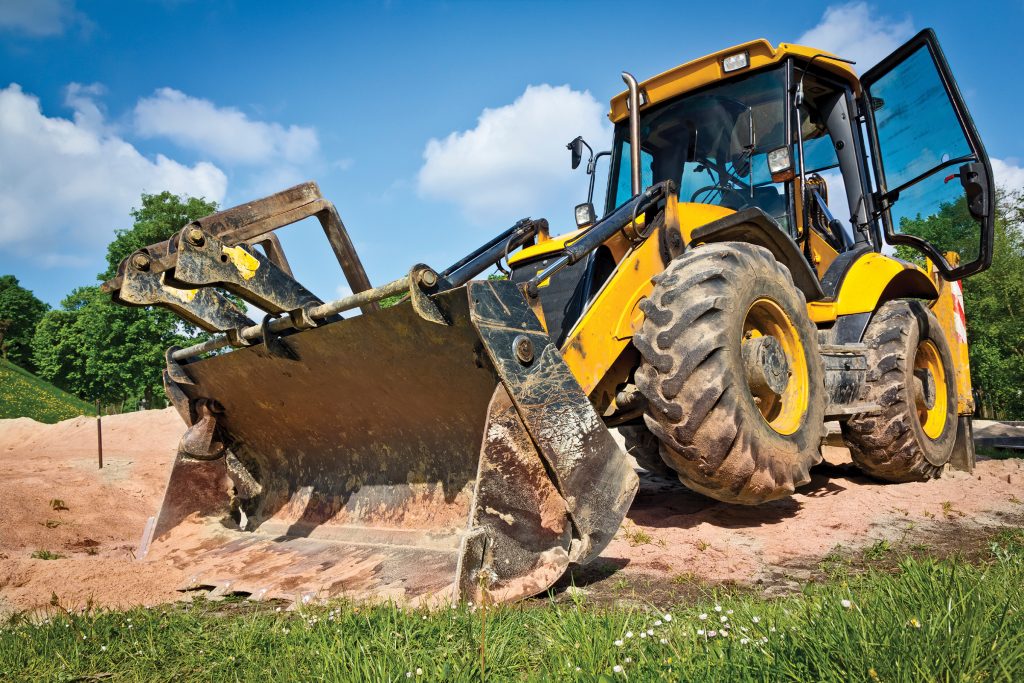
 Did you know that there is a specially designated number you should call before starting any digging projects? 811 is the (free) phone number you need to call before digging to protect yourself and others from unintentionally hitting underground utility lines.
There are millions of miles of buried utilities beneath the surface of the earth that we don't even think about but are vital to everyday living like water, electricity and natural gas. By simply calling, you'll help prevent unintended consequences such as injury to you or your family, damage to your property, utility service outages to the entire neighborhood and potential fines and repair costs.
Most contractors know that they need to find out what’s underground before beginning to break ground, but there may be some finer points of safe digging that you’re not aware of.
How exactly does this 811 thing work?
Simply call 811 from anywhere in the country a few days prior to digging, and your call will be routed to your local call center. Tell the operator where you're planning to dig. Your affected local utility companies will be notified about your intent to dig and will send locators to your dig site to mark the approximate location of buried lines with flags or paint.
When can I begin my digging project?
Wait for the marks! Utilities will mark their buried lines on your dig site. Most crews will arrive to mark your dig site with paint or flags within a few days and will make sure you know where to avoid digging so you don't hit buried utilities. Remember there may be multiple utility lines in the same area. Be sure to check your state laws for specific information. It's also a good idea to call and confirm that all affected utility operators have responded to your request and located accurately. (State laws vary on the process for confirmation; check with your local one-call center for more information.)
It's finally time!
Now it's time to roll up your sleeves and get to work - but respect the marks! Make sure to always dig carefully around the marks, not on them. State laws generally prohibit the use of mechanized equipment within 18-24 inches of a marked utility, which is called the “tolerance zone”. If you must dig near the marks, hand dig or use vacuum excavation to expose the facility. After exposing the facility, avoid using mechanized equipment within the same tolerance zone.
The marks provided by the affected utility operators are your guide for the duration of your project. If you are unable to maintain the marks during your project, or the project will continue past your request’s expiration date, please call 811 to ask for a re-mark. In addition, if excavation equipment is removed from a work site for more than two (2) business days, you must notify the call center again.
Also keep in mind that some utility lines may be buried at a shallow depth, and an unintended shovel thrust can bring you right back to square one - facing potentially dangerous and/or costly consequences. Don't forget that erosion or root structure growth may shift the locations of your utility lines, so remember to call again each time you are planning a digging job. Safe digging is no accident!
Source: call811.com and ccicomply.net
 Pre-pandemic, it was not unheard of for items to occasionally go missing from a job site. Whether through an honest mistake such as a worker pocketing a tool he or she believed to be theirs, or a genuine theft of materials, losses nonetheless would ultimately be a costly detriment to builders and developers. In post-pandemic culture, the landscape has become a bit drier due to product shortages and supply chain delays. Builders have recently seen large loads of valuable materials and appliances being stolen from job sites.
There are a few specific items that tend to “walk off” a construction site more often, and end up on resale platforms such as Facebook Marketplace, Craigslist, and MaterialsXchange.
COMMONLY STOLEN ITEMS FROM A JOBSITE:
- TOOLS. As you may guess, tools are one of the most stolen items. Small hand and power tools are incredibly easy to slip into bags, jacket pockets, or even lunch boxes. To add to the allure for thieves, they are quickly resold in a secondary market full of potential buyers looking for less costly goods.
- LUMBER. With the prices still hovering in the stratosphere, any piles left on location are a beacon to those wishing to resell it for a profit or use it on their own personal projects.
- APPLIANCES. When items like HVAC units, furnaces, and water heaters are installed in a new construction project, they become vulnerable once all workers have left the site at the end of their shift and are the perfect target for overnight burglary.
- COPPER. Copper is a coveted material, and it’s easy for a thief to pilfer. Equally vulnerable are piles of old copper pipes and wire or pipes resident in the walls, ceilings, and floors of the construction project.
- HEAVY EQUIPMENT. While backhoes, excavators, bulldozers, and other large pieces of machinery aren’t as easy to steal as appliances or tools, the profits for reselling can be staggering, and the loss can cause a job to come to a screeching halt.
 In addition to the inherent inconvenience of missing materials, theft causes additional situations to arise in a domino effect. One of the most damaging resulting consequences on a job site is schedule delays. Most items on a job site are necessary, and when they go missing, they need to be replaced. If you are lucky, they are easily and quickly obtainable; however, in some cases, they are items that need to be special ordered. The same can be said for heavy machinery and appliances. When they go missing, it can take days, weeks, or even months to replace them. If the job can’t continue, the entire project timeline is knocked off course. If the project can’t reach milestones because the equipment is missing, the contractor is in danger of not receiving scheduled payments. This means they may not be able to pay subcontractors for their work; and the next thing you know, a payment dispute has broken out. Not to mention the potential tarnishing of the contractor’s reputation with clients and peers.
Stopping thieves entirely may not be possible, but there are ways to mitigate the issue. Unfortunately, most theft happens internally, and subcontractors working on several sites are aware of potential targets. Prequalify subcontractors prior to retaining their services to be sure they’re reputable. Contractors that steal are often repeating offenders, so there’s a good chance another contractor might know them and be more than willing to warn others in the business. Also, be sure to secure the job site. This can be done by installing a tall fence, floodlighting, or hiring night security to watch the site when the workers have finished for the day.
Consider protecting tools and equipment with GPS trackers and geofencing. (If this technology term is new to you, geofencing is a location-based technology in which virtual boundaries can be assigned to a geographical area in the real world. These virtual perimeters can be displayed on an indoor map and can trigger actions or alerts on entry or exit of a tagged item within the specified area.)
 It is also beneficial to establish a security protocol for the job site which clearly outlines what isn’t acceptable on a project and what is. It’s helpful to mark items with notes such as “not allowed to remove scrap for personal use.” Make sure to distribute information so that all the subcontractors are aware of expectations to prevent confusion or misunderstandings.
Another obvious but effective solution is to install a security camera. They are a great way to deter a thief from stealing from a job site and can also offer police valuable information should a theft occur regardless of any precautions that have been taken. And, since most thefts occur from within, there’s a good chance the thief will be recognizable to those running the job site. If it is not possible to position the cameras to get a view of the entire site, it’s best to aim them toward lumber and materials piles, heavy equipment, and entrances to the site as well as the project that is under construction.
In light of the unfortunate reality that not all job site theft is avoidable, it is highly recommended that the contractor carries a good builder’s risk policy, such as those offered by RWC Insurance Advantage. Information on the programs offered can be found on our website: https://rwcinsuranceadvantage.com/.

Prior to work on a job site, crew members are carefully trained and certified in safety measures. However, no matter how many precautions are taken, it’s a fact that accidents do happen. And one of the most frequent power tools involved is often the saw. It’s certainly worth a few moments to brush up on some simple rules of thumb for best practices when operating saws of any kind, offered in this article (reprinted) from NAHB.
Saws are among the most common power tools used on a home building site. When used properly and maintained in good working order, saws are quick and efficient tools to complete the job. But serious injuries can result if the proper safety precautions are not followed. According to the National Institutes of Health, there are more than 30,000 table saw injuries annually. The most frequently injured body parts are lacerations to the fingers and hands. Medical costs for treatment of table saw injuries are estimated at $2 billion or more. Although table saws cause the most injuries, care must also be taken when using circular, miter, reciprocating and any other kind of saw, including hand and, of course, chainsaws. When using saws, remember the following tips to ensure safety.
- Wear the proper personal protective equipment, including eye and face protection to protect against flying wood dust, chips and particles.
- Ensure all blades and rotating parts are guarded.
- Avoid wearing loose clothing and jewelry that could easily get snagged.
- Always be aware of hand placement when using saws: Keep them out of the line of the cut.
- Equip the saw’s blade with a self-adjusting guard that adjusts to the thickness of the material being cut.
- Be aware of kickbacks. Kickbacks occur when the saw blade catches during cutting and throws the material back toward the operator.
- Cords to saws should be maintained in good condition and not contain exposed wiring.
Residential Warranty Company, LLC, HOME of Texas and MWHC are proud to announce and congratulate our Sales Awards Winners! The Account Executives recognized this year for their individual efforts and achievements have each generated a great deal of business for the company in a rather unusual year. Not always able to be physically in front of a prospective new member due to the pandemic, they found other ways to connect, educate and assist their clients in formulating the best risk management program for their unique business.
The Outstanding Account Executive of the Year Award is the companies’ most prestigious award and is bestowed upon the Account Executive who demonstrates the most effort in a wide variety of categories. While Sales is obviously a critical factor, the Outstanding Account Executive Award is based on more than just the sale. Not only are Sales numbers like most new members & most enrolled homes counted, but also a variety of other areas factor in to contribute to the overall success of the rep, the department and/or the company in general. It includes objectively measured things (average # of homes per new member, # of appointments, retention rate, etc) as well as those areas which are a bit more subjective to measure, including willingness to help out in someone else’s territory, at a show or HBA event, help pick up the slack when reps are off, attitude, etc. The Outstanding Account Executive of the Year Award for 2021 encompasses all these many factors and more.
In a year encumbered by skyrocketing costs, a real estate market that was hard to predict, demand that was through the roof and a continuing undercurrent of unease about the future in which a pandemic hadn’t quite been tamed, we needed a leader to set the pace....and that leader was Freddy Pesqueira!

Freddy (pictured above) has been with RWC for over 7 years and is a two-time winner of the Outstanding Account Executive of the Year award. His willingness to go anywhere, talk to every builder, and help in any way made him an easy choice for this year’s accolades. And it didn’t hurt that out of 11 award categories, Freddy finished in 1st place in 6 of them! With his accumulated knowledge of the home warranty industry, combined with his excellent customer service, Freddy is an invaluable asset to the many RWC members he has brought into our fold. Congratulations Freddy!
Our success is nothing without our team and certainly no one person makes or breaks us but together we are a force to be reckoned with in the industry. Again, this year we were blessed that our entire sales team worked his or her way into contention for all of our companies’ top awards, making ours a truly a well-rounded and dedicated sales team.
Special recognition again goes out this year to our Sales Support team whose help, encouragement, organization, knowledge, and overall willingness to lend a hand keeps us on the right path and paves the way for our Team’s success. Special shout out goes to Jody Lehman (Assistant Sales Manager), Ann Cooper (Administrative Assistant), Jana Watts (Sales Support Liaison), Agnes Brennan (Retention Liaison) and Susan Duncan (Texas Support). You are vital to our team’s success, helping us help our builders and real estate professionals throughout the year. While the sales team in the field generally gains the recognition, the people behind the scenes are crucial to provide the support needed to get the job done. So my sincerest thanks go out to this incredible team for the work they do on our behalf.
 Yes, you heard that right. RWC and HOME of Texas have taken our Key Estates Extended Warranty product previously offered on existing/resale homes to a whole new level…..And it’s available in any state in the country!
Prior to this, our extended warranty for appliances and mechanical systems in newly built homes was offered under the brand name of Platinum Advantage* and was available in only 21 states. We’ve rebranded the program and moved it under the Key Estates family of products which allows us to make it available in all 50 states plus the District of Columbia.
Key Estates for New Homes allows homebuyers the option of procuring warranty coverage on their new appliances and systems, extending warranty protection beyond the original manufacturer’s standard warranty.
Setting this home protection plan apart from others is the level of flexibility built into the coverage. The buyer chooses the length of warranty term, the level of service fee, and perhaps the most popular feature of the program, which repair provider to use when a covered appliance or system breaks down. That’s right. The homeowner is in total control. No need to choose a random repairman from a predetermined list. And no crossing fingers and hope that the "repair guy" the other company sends over will be knowledgeable, experienced, or even reliable enough to show up on time as scheduled. This approach allows for greater confidence in who will show up at their door.
Key Estates is economically priced, flexible to meet any client's needs, AND insured. Do you know if "the other guys" offer insured plans or do they "go it alone"? Our warranty is backed by Western Pacific Mutual Insurance Company, RRG (or WPMIC) which has been rated "A- (Excellent)" by AM Best continuously since 2001. WPMIC does not cover any other catastrophic risks, which can affect the insurer's strength. In fact, WPMIC currently has over $120 million in surplus equity. That's some serious hulk-sized financial strength backing Key Estates’ warranties!
Your sales team has mastered the unique elements associated with new construction sales such as site design, reading blueprints, architecture, and the nuances of materials and finishes. Why not take it one more step and add an extended warranty to the sales team arsenal? Combine Key Estates for New Homes with the RWC or HOME structural warranty and create the most comprehensive warranty package for your buyers. This is the perfect solution not only for the most complete protection possible, but it also solves those nagging customer service issues. The beauty of this program is that when the refrigerator breaks down or the dryer takes its last spin, your buyers call OUR toll-free number to start the service process and not you.
Interested in getting the details and pricing about Key Estates for New Homes?
Call: 866-394-5135
Email: Sales@KeyEstatesWarranty.com
Sign up: rwcwarranty.com/builders/join-key-estates/new-homes/
*In Indiana, Kansas, Minnesota, Pennsylvania, and Tennessee, we will continue to use the Platinum Advantage brand.
 Operating a business presents daily challenges and requires hard work. America’s home builders know this, as you struggle with supply shortages, price increases and rising mortgage rates. Despite these problems, it is important to remember the reason you went into business in the first place—to make a profit—and to focus on how to remain profitable. We believe we can help you simplify your effort to stay in the black.
The modern world is complex. Every day we are deluged with useful and not so useful information. One way to navigate the clutter of the internet age is to organize our thoughts by making a list. A list seems unremarkable, but lists have many positive effects like reducing anxiety, increasing productivity, creating accountability, improving organization, and strengthening memory.
You probably have discovered the power of the list long ago and may already have a collection of lists on your desk. One way to make a more important list stand out is through alliteration—using the same sound to start multiple words in a sentence—a device used in children’s rhymes and tongue twisters. (Note how most people can tell you the green vegetable that Peter Piper picks and what the little girl sells by the seashore.)
We have a list that uses alliteration and reminds us how to make our company profitable. Procure profits from planning, people, products, performance, and protection. We believe this simple sentence is a recipe for success in any business.
Planning. Many people have great ideas for how they can make money--the aunt who wants to open a coffee shop, the friend who can improve the product his employer makes, and the cousin who thought of Amazon’s business model years ago but never got around to developing it. The world is full of these kinds of dreamers. But dreams are not plans. Successful business owners take hold of their dreams, plan how they can accomplish them, and work hard to bring their dreams to life. Planning does not end when a business starts, but continues with every new housing development, shift in the market, or change in competition. Wise business owners regularly refresh their plans, checking if their pricing is right, their products are hot, and for other ways to make even more profit. Effective planning leads to better use of resources, realistic timelines, seamless growth, and a path to profitability.
People. One of the most rewarding and at times frustrating aspects of running a business is the human factor—our employees. Good employees help a company be great. Conversely, employee problems distract management from focusing on the bottom line and can cost a company business and profits. Successful companies reward good employees, drop employees who are a drag on the organization, and let their employees know that ownership, management, and workers are on the same side, pulling in the same direction.
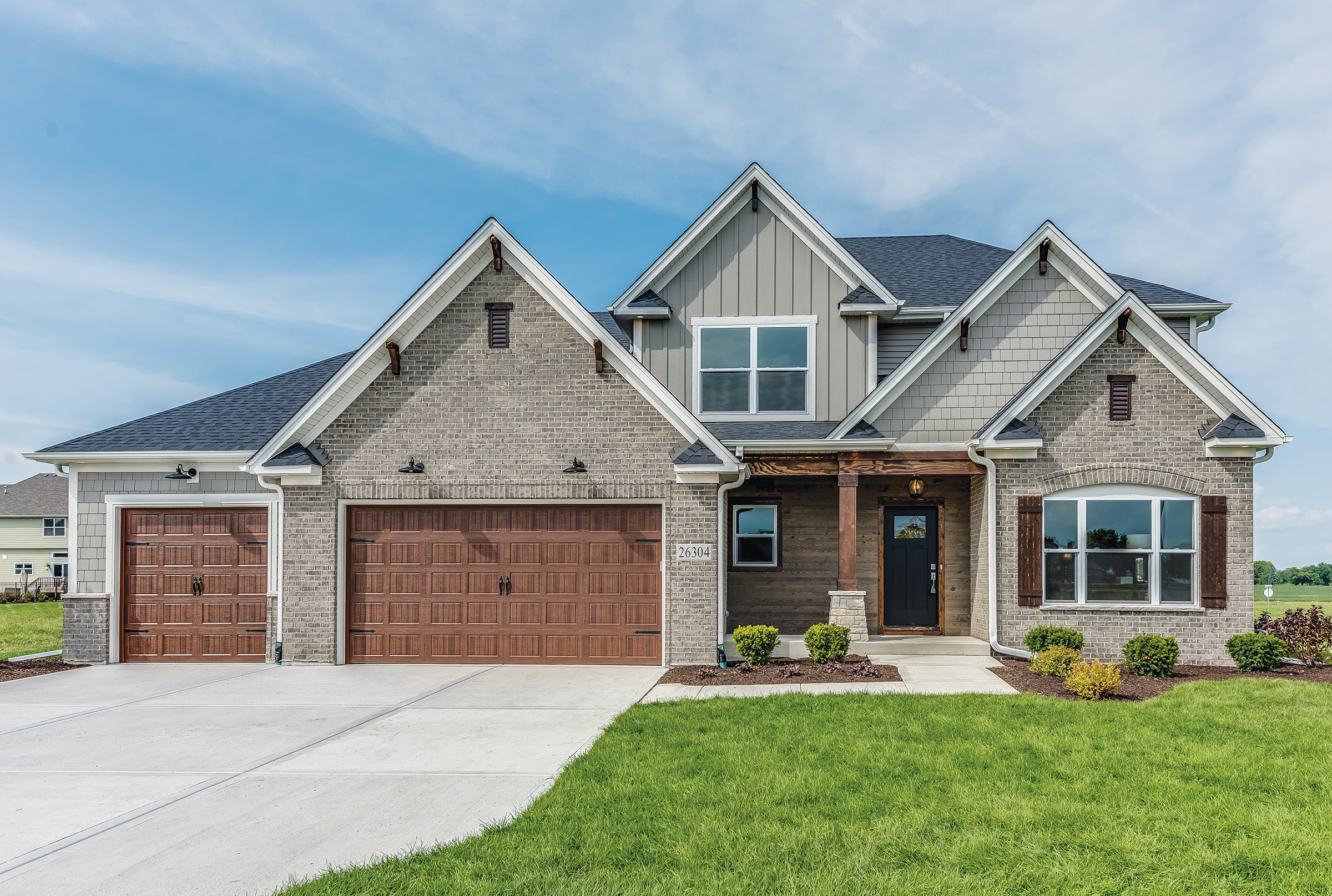 Products. Drive around most towns and you’ll see the history of American home building--stately Victorian homes, rowhouses, Cape Cods, bi-levels, McMansions, ranches, and now even tiny houses, to name a few. Each type of home was the hot item in the marketplace—for a while. But then people wanted something different. Profitable builders stayed in tune with the changing tastes of their customers and gave the people what they wanted.
Performance. For better or worse we live in a world that moves quickly. Studies show that consumers are very concerned about the speed at which they get what they have purchased. When building a house, it is important to stay on schedule or to fully explain any delays and then stick to the revised schedule. A new home is usually the most expensive item your customer has ever bought. Expectations will be high, and builders who hope to be profitable should deliver a quality product and complete any call back work timely and professionally. How you perform with each customer can affect what they tell their friends and family about you, which can lead to increased sales or to disappointment.
Protection. Once a good plan is crafted, competent workers are hired, and the right models of homes are sold and well-constructed, profits should follow. To keep the money it has earned, a well-run building company protects itself from risks that can bleed a company dry. Well drafted sales agreements together with appropriate liability and other insurance are part of that protection. Successful builders who hope to be profitable should also place an express warranty on every home they build, preferably one with a mandatory binding arbitration provision, a team of warranty professionals who can help resolve disputes, and the best insurance backing in the industry.
RWC has four decades of experience in the home warranty business, covering more than 3.7 million homes! We offer a wide variety of warranty options, from the standard ten-year warranty to our Day 1 coverage warranty and from our extended appliance and system warranties to our specialty warranties for remodeling projects, detached garages, and commercial construction. Only RWC has developed and offers its members a customized state warranty that mirrors each state’s statute of repose and accommodates other state specific issues. All RWC warranties provide clear performance standards that help create realistic expectations in your homeowners and provide a road map to resolving even the stickiest customer complaints.
At RWC, every guarantee our warranties make is backed by Western Pacific Mutual Insurance Company, RRG. Western Pacific has an A- rating from A. M. Best and only insures home warranty and similar new home construction risks, like builders’ general liability, which can be offered through the RWC Insurance Advantage program to RWC members. No other warranty company has an insurer with this kind of strength solely dedicated to covering builders and their homes.
If you want your company to succeed, procure profits from planning, people, products, performance, and protection, and remember that the best protection you can get is an RWC warranty on each of your homes!
Have a great Spring and Summer!
While you may be aware that prefabricated homes have been around for quite some time, have you really given them the consideration they deserve? There are many factors that make this niche of the housing market an incredibly intelligent and environmentally sound option.
If you’re looking for a build that involves a quicker, less stressful timeframe, can potentially cost less, and have a positive impact on the environment then read up on the benefits of flat pack and modular living here! https://www.houzz.com/magazine/10-things-to-know-about-prefab-homes-stsetivw-vs~33040342
Furthermore, did you know that RWC offers warranties on Modular homes? One of the changes seen over the last several years is the awareness of and increased need for written warranties on homes of all types, including Building Systems. So, we delivered.
RWC takes a two-pronged approach to warranties for Building Systems. 
Manufacturer’s Warranty: Manufacturers may join RWC and offer a 10 year written and insured structural warranty on the homes they deliver to you, the Builder.
- 10 years of coverage on major structural defects.
- Option to provide 1 year of coverage on workmanship and materials.
- Manufacturer is responsible for defects in Year 1.
- RWC’s insurer is responsible for defects in Years 2 through 10.
- Manufacturer’s Warranty deals specifically with the work done in the factory.
- Defects in work provided on site by Builder is excluded.
Builder’s Warranty: As the Builder onsite, you may also provide a 10 year written and insured warranty on the work you do to the home, including foundations.
- Warranty protection on the work provided by the Builder.
- Warranty interpretation, mediation and arbitration to expedite the resolution of homeowner complaints.
- Two coverage options available: Full Coverage and Structural Only Coverage.
- Authorized Builders for RWC Manufacturer Members qualify for reduced enrollment rates.
Interested? Go here for a quote and more info https://www.rwcwarranty.com/builders/warranty-options/building-system-warranty/
Warranties vs General Liability – What’s the Difference?
Basically, a warranty covers workmanship issues while general liability covers damage to property and/or injury to people caused by such workmanship issues. A warranty and a general liability policy actually cancel one another out. This can lead to trouble. For instance:
When your general liability insurer and your warranty company aren’t affiliated, you can find yourself in a litigious situation with both parties pointing their finger at each other. A good example is a home that has a failing beam (maybe it wasn’t spanned properly). The floor is sagging, but the beam hasn’t given way yet; however, it’s obvious that the beam will fail in time. Is this a warranty issue or is it a general liability issue? 
While the beam holds, and no other property has been damaged, and no one has been hurt, any general liability insurer would say this is a problem for the warranty company. Then the homeowner submits a claim for kitchen cabinets that have pulled loose due to stress caused by the sagging beam. They also ask to be reimbursed for hotel expenses they incur because they are afraid to stay in the house. Would a warranty provider cover these things?
At this point, we enter a gray area resulting in endless debates over who is liable. With the RWC Insurance Advantage working with RWC, there are no gray areas; no "is it a liability loss or a warranty claim?" If it is a covered loss, either way, you (the builder) won't get caught in the middle.
So, which makes more sense? Two companies that are better at finger pointing and keeping you in that scary gray area? OR two companies that work together providing you with comprehensive coverage and making that gray go away? If gray isn’t your company’s favorite color, contact us for a quote!
Warranty Benefits from Residential Warranty Company
- RWC offers a wide variety of warranty options: Exclusive Customized State Warranties, 10 Year Insured Warranties, Remodeling Warranties and more!
- RWC is Experienced with 40 years of experience and over 3.7 million homes warranted.
- Every RWC warranty includes an effective – and FREE – mediation process to resolve disputes.
Insurance Benefits of the RWC Insurance Advantage
- Options to meet your specific needs: Builder’s Risk, Contractor’s Equipment, Excess & Umbrella options and more!*
- Flexibility of limits.
- Competitive pricing and low minimum premiums.
The RWC and RIA General Liability programs are both insured by Western Pacific Mutual Insurance Company, a Risk Retention Group, which has been rated “A- (Excellent)” by A.M. Best continuously since 2001.
*Not available in all states
866-247-2155
info@rwcinsuranceadvantage.com
There’s an old saying that insurance doesn’t matter…until it does. General liability, GL for short, is fundamental to the business world. Most everyone knows that GL protects you from suits and claims brought against you by people injured on your jobsite, or homeowners who allege damage caused by defects in the way a house was built. Beyond this, things get a little fuzzy, which leads to some creative myth-making. Here are the top 5 GL myths we hear all the time:
Counting Down the Myths
#5 - I have Builders Risk. I don’t need GL, do I?
Builders risk only covers your building materials at your jobsites while during construction. It’s property coverage. With limited exceptions on some policies, there is no coverage for a passerby who trips and falls over a piece of scrap lumber that spilled onto the sidewalk and no coverage for construction defect claims later on.
#4 - My subs have GL, so I don’t need it, or do I? 

Your subcontractors better have GL, or their claims become yours. Even if they have their own coverage, you can still be liable for some claims involving your subs. As the general contractor, you’re responsible for overall safety at the jobsite. Are you making sure your subs keep the sidewalks free of scrap lumber and other debris? Even if you police the jobsite every day, when was the last time you required your subs to provide a certificate of insurance? Are you named additional insured on their GL policies? Do they hold you harmless in your written contracts with them? All these things can create liability for you if neglected.
#3 - I do some engineering and design work on the side. My GL covers that, right?
Wrong. If you provide any professional services, you need professional liability insurance. GL doesn’t cover inaccurate advice, misrepresentation or claims involving bad faith.
#2 - I only build one home a year. I’m too small to need GL, aren’t I?
I’ll answer this question with a question – the last time you drove down any highway, how many billboards advertising personal injury law firms did you see? We live in a highly litigious society. Any business, no matter how small, how new, or how experienced is vulnerable to suits or claims by members of the public. Why take chances with your livelihood?
AND THE #1 GL MYTH – I’ve been in business for 20 years and never had a claim. Why should I pay for GL now?
I could answer this by simply saying read #2 again. The fact is you don’t have to purchase GL unless someone else requires it. Usually, some other business or governmental entity wants to see proof that you have GL. Why? To avoid having to deal with suits or claims that you’re responsible for. It’s called contingent liability. In reason #4, if you hire a sub who doesn’t have GL, you are responsible for his claims while working for you because you failed to make sure he had the necessary insurance. Not fair you say? Show me fair.
I hope this little countdown of GL myths helps to convince the previously unconvinced that having the proper GL coverage for your business is just as important as laying the proper foundation for a home. Anything you build on top of a shaky foundation is bound to fall sometime. For the riverboat gamblers out there nothing I say will be convincing. For the great majority of you, it might be time to take a look at your GL coverage needs. We can also handle your builders’ risk while we're at it.
Call us at 1-866-454-2156 or visit us at https://rwcinsuranceadvantage.com/products/general-liability/ for a free, no obligation quote.
Sally wanted to buy a house in the valley, but she knew better than to dilly-dally. Sally had heard that houses were in big demand, so she hired a realtor to lend her a hand. The agent showed her three places, each of which offered beautiful spaces. She wanted to get into a house quick, however she could not decide what to pick. Her savvy agent was smart and knew just what wisdom to impart. For only one home came with sureties, it offered warranties to cover obscurities.
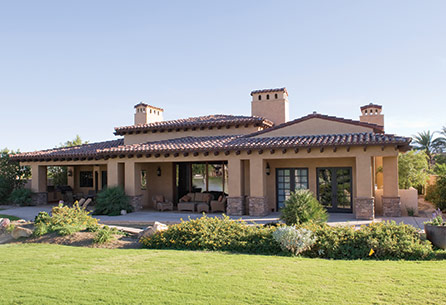
Whether you build homes, have a personal home to sell, or rehab homes to put on the market, you face similar obstacles. Buyers search for unique features and upgrades with the hope that one stands out above the rest. Trends can come and go, paint colors, flooring types, built-ins, all of these are at risk of becoming the next “no” on a buyers list. Something that does not go out of style, however, is the desire for reassurance and protection from defects or expensive repairs. Referencing the story of Sally above, let’s examine why an educated agent might recommend a house with warranty coverage.
Imagine how excited Sally was when she moved into her new home. To Sally, she saw a cute 5-year-old two-story bungalow with a private backyard near a babbling creek. The property included all the appliances and every updated feature that she had sought. At the time, it did not cross Sally’s mind that an issue may be awaiting her sooner rather than later. A few months after settling in, the water heater stopped working and she discovered a crack in the basement wall that appeared to be leaking.
Many buyers hope that these defects are caught by their chosen home inspector. However, even with the most detailed of inspections, appliances and mechanicals are fickle. These systems can break down without warning and inevitably at the worst moment. Adding to this scenario, because of limited inventory and high demand, waiving the buyers right to an inspection has become more common. This increases the chances of things being missed, like small cracks in the dark corner of a basement.
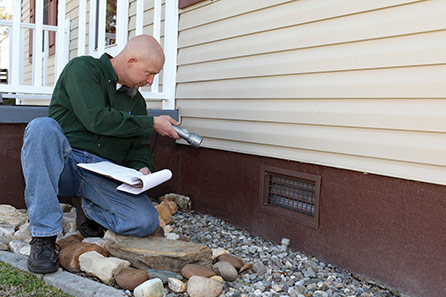
Without specific, clear, warranty protection in place, Sally has no assurances or proper assistance to help her with a resolution. All she is armed with is a concern that there may be a larger issue or potentially a known default that was not disclosed. A typical first step is to reach out to friends or neighbors who may offer suggestions and recommendations for who to contact. Based on similar scenarios that have occurred, things like this can go sideways very quickly.
For example, if a contractor determines that the leak is due to a structural failure that was imminent given the location to the creek, the original builder may find themselves in hot water. Since the home is only 5 years old, the problem may qualify as a pursuable default under statewide implied warranty statutes. Should it escalate, potentially, the builder may end up at the mercy of legal systems and public opinions. If the perspective viewpoints are not rooted in an understanding of typical building practices, endless court battles may ensue.
Additionally, mechanical warranties are a complex animal. It is not beyond feasibility that the fine print on the water heater may indicate that, without prior approval, the original owner cannot transfer the warranty. This disclaimer could allow the manufacturer to void the warranty. In either of these sample circumstances, Sally could present her complaints to an attorney and potentially be able to pursue legal recourse.
Let’s face it, in a sellers’ market, buyers are at a disadvantage, however disadvantage does not negate liability. Homeowners and well-meaning builders who believe their “good build history” should be enough are underestimating the overall risks. Without disclosing potential mechanical issues, sellers are left with the burden of proving no negligence existed. Without spelling out what sorts of structural things are covered and for what time frame, builders are inadvertently ignoring the potential for serious liability.

Warranties certainly are not the be all and end all to escape liability. What they can provide is peace of mind when navigating a homeowner's construction defect claim. The cycle of building, buying, and selling homes requires clearcut guidelines to help avoid fruitless and expensive legal battles. The appropriate coverage to meet these needs is vitally important to differentiate yourself, protect all parties, and demonstrate concern for the homeowner.
If you are unsure where to turn to get proper coverage, step one is to consult with a proven, stable, warranty company. With nearly 40 years of experience Residential Warranty Company, LLC, can help you determine what programs may work best to meet your needs. With an extensive list of options, including everything from new home construction to existing home coverages, there is something to suit every situation.