
Why is it important to worry about safety when it comes to wet concrete? Because concrete is one of the most widely used construction materials there is, which means there are an untold number of workers who are exposed to these hazards on a daily basis. The biggest hazards include skin irritation, severe chemical burns, and serious eye irritation. Concrete can be safe when used appropriately and with the safety precautions below.
- Wet cement (an ingredient in concrete) is caustic, abrasive and drying, so protect your skin. Wear appropriate PPE such as tall rubber boots, pants, waterproof gloves and long-sleeved shirts.
- If concrete comes into contact with your skin, it’s important to immediately wash off with clean water and replace any wet clothing or PPE. Don’t wait!
- Be sure to wear eye protection when working with wet concrete. Your eyes can be seriously injured due to splashing concrete. Wear safety glasses with side shields or safety goggles.
- Wet concrete can conduct electricity. All electric tools should be grounded and used with care.
- When raising or lowering concrete chutes, be aware of pinch points. These can take off a finger or hand if you’re not paying attention.
- Protect your back. Place wet concrete via chute, wheelbarrow or pump, as close to the work area as possible. Concrete should be pushed, not lifted, into place.
- Use waterproof kneepads or a dry board when kneeling to place or finish concrete.
It’s important to understand that you may not experience any acute symptoms right away if wet concrete touches your skin. But if you don’t wash the area as soon as possible with cold, clean water, you could end up with a serious burn. If a burning sensation continues or worsens even after you’ve flushed the area with water, seek medical attention. If wet concrete splashes into your eyes, flush them continuously with clean water for at least 15 minutes and then go to the hospital.
Source: www.ccicomply.net
 If you’ve been a builder for more than a few years you’ve been through a lot. When the housing bubble burst; you survived. Now that the market is better and your business is growing, you’re starting to realize the rewards of surviving. There are still plenty of challenges and one of them is to find qualified subcontractors.
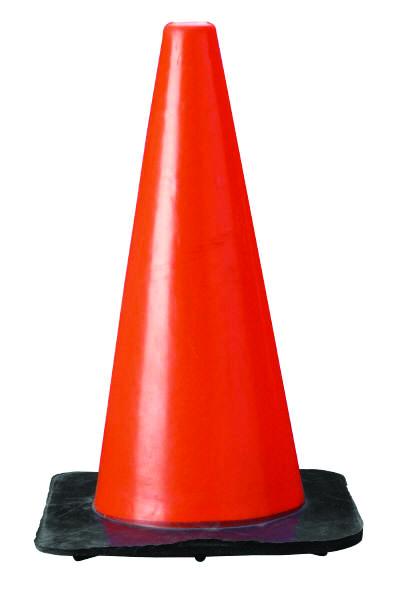
Recently, you started a new subdivision and hired a flat concrete contractor you’ve never worked with before, to put in the sidewalks. This morning you got a call from your new sub; the kind you never want to get. A woman was walking her dog next to your project around dusk last night. She tripped over a mason’s line that was left across a section of sidewalk that had been poured earlier that day. The new flat work guy left the site without setting up any cones, fencing or signs. In fact, he did nothing to warn the public of what is commonly referred to as a “trip & fall hazard.” The woman suffered fractures to both wrists as well as lacerations to her face when she fell. Her injuries will require surgery and she’ll be unable to work for several months. Her pain and suffering have yet to be determined.
Your new sub has his own general liability insurance that should respond to this claim. You required him to have his insurance company add you to his policy as additional insured. That way they will defend you if and when the woman’s attorney sues you as well as your sub. The certificate of insurance you required your sub to provide shows all of this. Everything should be fine. But, trip & fall claims can spiral out of control.
Disputes can arise over who should have protected the worksite. Subcontractors or, their attorneys, can argue that’s the general contractor’s job. You feel that you don’t have time to hover over every job site making sure each sub is placing the proper emphasis on safety. Besides, you hired them to do a job and that includes doing it safely. Doesn’t it? All your subs understand this, don’t they?
In most states, you as the general contractor, are ultimately responsible for worksite safety. That doesn’t mean the subs get a free pass. But it usually means the general contractor has to do more than just assume everyone is being safe. That means holding periodic safety meetings, making sure new subs understand what you expect from them before starting work each morning, during the workday and after shutting down for the night. Active worksites are dangerous places even when they are nothing more than a partially completed sidewalk in poor light where an unsuspecting woman takes her dog for a walk.
Holding regular safety meetings doesn’t have to take a lot of time or cost you much money. Meetings don’t have to be held every day; just regularly enough to make it clear to everyone concerned that you are committed to preventing accidents involving both the public and anyone else at your worksites.
The RWC Insurance Advantage is dedicated to loss prevention. To prove it, we offer up to 25% off your new general liability premium if you provide us with a copy of your written safety program. If you’re already insured with us, we’ll even offer the same incentive on your next renewal if you haven’t already received it.
Call us today at 866-454-2155 to find out if you qualify and receive a free, no obligation quote.