
At Residential Warranty Company LLC (RWC) and HOME of Texas, protecting homes has always been at the heart of what we do. But building stronger communities goes far beyond service contracts and coverage plans—it’s about showing up, giving back, and investing in the people and neighborhoods we serve. That’s why we are proud to collaborate with HomeAid Houston through one of its most exciting and impactful events of the year: the HomeAid Houston Golf Tournament, to be held this year on April 16 at the Wildcat Golf Club. This partnership represents more than just a sponsorship—it’s a shared commitment to strengthening Texas communities.
A MEANINGFUL COLLABORATION
The HomeAid Houston Golf Tournament brings together industry professionals, local businesses, and community leaders for a day of connection, competition, and purpose. For RWC and HOME, participating in this event is a natural extension of our mission. As a company dedicated to helping homeowners feel secure and supported, aligning with an organization that works tirelessly to uplift communities is both meaningful and inspiring.
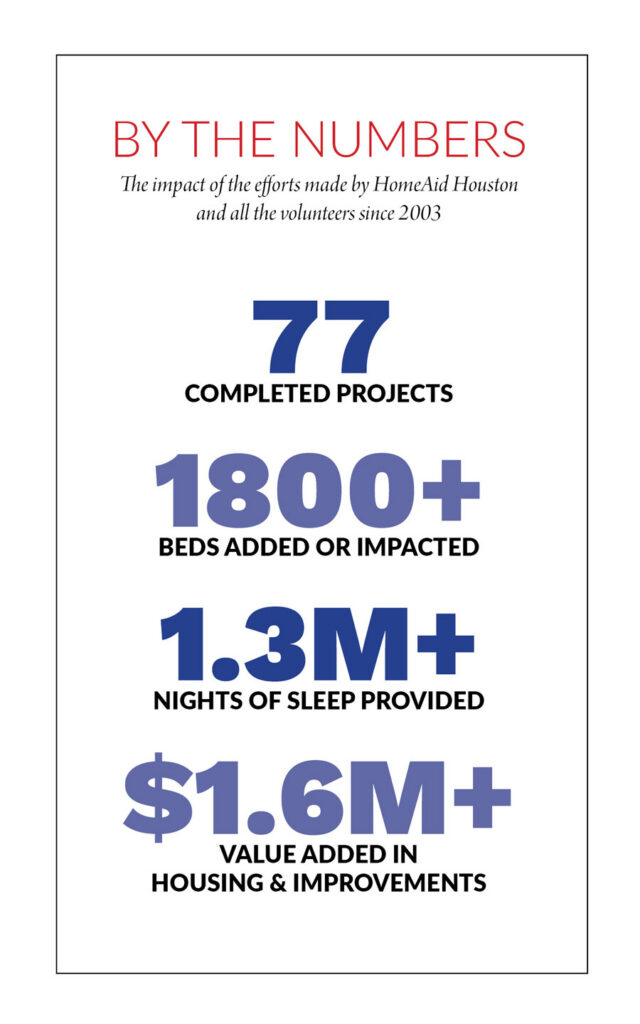 Through strategic advertising and event collaboration, we are able to not only increase awareness of our services but also shine a spotlight on the incredible work HomeAid Houston is doing across Texas.
THE GOOD HOMEAID HOUSTON BRINGS TO TEXAS
HomeAid Houston has built a powerful reputation for its commitment to helping vulnerable populations, including individuals experiencing homelessness, and families in need of housing support. By partnering with builders, developers, and community organizations, HomeAid Houston creates opportunities for safe shelter, education, and long-term stability.

Their work doesn’t stop at housing. HomeAid Houston actively invests in programs that promote self-sufficiency, dignity, and hope—helping individuals rebuild their lives and communities grow stronger together. Every initiative is rooted in compassion and driven by the belief that everyone deserves a place to call home.
MORE THAN A GAME OF GOLF
The annual golf tournament is more than just a day on the green—it’s a catalyst for change. Funds raised during the event directly support HomeAid Houston’s outreach programs, making a tangible difference in the lives of countless Texans.
For RWC and HOME, being part of this event means contributing to something bigger. It’s an opportunity to connect with like-minded partners, engage with the community, and reinforce our commitment to service—not just to homeowners, but to humanity.
LOOKING AHEAD
As we continue to grow, Residential Warranty Company LLC remains dedicated to making a positive impact beyond our core business. Our collaboration with HomeAid Houston is just one example of how we strive to combine business success with social responsibility.
Together, we are building more than homes—we are building hope, opportunity, and stronger communities.
The 2026 International Builders’ Show (IBS) in Orlando proved once again why it remains the premier event in the residential construction industry.
This year, 13 members of our team traveled from across the country to represent RWC, HOME, and its affiliates at IBS. With 75,000 attendees at IBS and an impressive 117,000 combined attendees alongside KBIS, the scale and opportunity were undeniable.
Our booth activity was nothing short of electric.
We acquired hundreds of qualified builder leads, driven largely by our new interactive attractions. The debut of our Putt-Putt Plinko game was a true showstopper. It quickly became a sensation on the floor—drawing passersby in to test their luck for a chance to win prizes, including $50 cash on the spot. The generosity caught many attendees by surprise and created an atmosphere of excitement and appreciation.
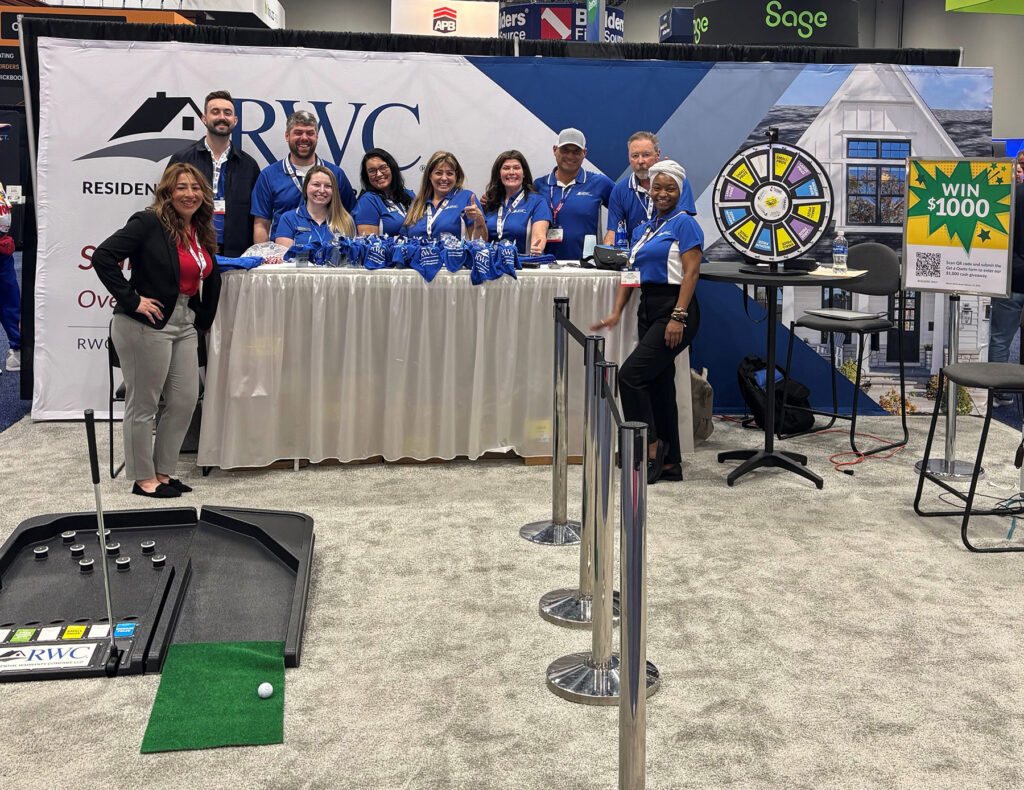
In addition to daily prizes, we gave away a $1,000 cash prize to a qualified builder lead, which was ultimately won by Kauffman Builders of Indiana. Moments like that created buzz, drove meaningful conversations, and reinforced our brand as both engaging and builder focused.
Attendees visiting the booth also received fun promotional items and the opportunity to join our warranty program with either 50% off or a free discount incentive—a compelling offer that generated strong interest and valuable conversations.
From setup to breakdown, our team operated like a well-oiled machine. Aside from occasionally navigating the maze of a show floor still under construction, execution was seamless. Collaboration, professionalism, and hustle were on full display all week.
It wasn’t all business. One of the highlights of the week was our team dinner, where we celebrated year-end achievements and recognized top performers and 2025 Account Executives of the Year.
2025 Account Executive Awards:
Freddy Pesqueira – 3rd Place
Tiaira Satchell – 2nd Place (her first recognition in this category — a huge accomplishment)
Staci Cool – Account Executive of the Year
Recognized for her consistent production, professionalism, and willingness to go above and beyond the scope of her role.
Celebrating these accomplishments together reinforced the strength of our culture and the talent within our organization.
The IBS House Party brought the team together for drinks, great food, live music, and some very entertaining bull riding — with RWC proudly represented in the action.
Some team members even braved the carnival swing ride soaring several hundred feet in the air, while others formed what can only be described as an Orlando scooter gang, buzzing through the city streets on Electric Lime scooters.
It was the perfect blend of hard work and camaraderie.
IBS 2026 was both fun and highly productive. The connections made, the qualified leads generated, and the brand presence established will undoubtedly translate into meaningful new business for RWC in the months ahead.
Just as importantly, the experience strengthened our team and reinforced the culture that drives our success.
Next stop: Las Vegas for IBS 2027.
By: Rich McPhee, National Sales Manager
As climate resilience, rising energy costs, and long-term home value climb higher on homeowners’ priority lists, the role of the builder is evolving. Today’s most successful builders are no longer just constructing houses—they’re future-proofing homes. At the center of this shift are high-performance windows and doors, coupled with smarter, more intentional design decisions that address durability, efficiency, and comfort from day one.
Climate Resilience Starts at the Front Door
Extreme weather events are becoming more frequent and more intense, placing new demands on residential construction. High-performance windows and doors are one of the first lines of defense against wind, water intrusion, heat, and cold. Impact-rated glazing, advanced weather-sealing systems, and robust frame materials help homes withstand storms while maintaining interior comfort.
For builders operating in coastal, wildfire-prone, or temperature-volatile regions, specifying resilient fenestration is no longer a premium add-on—it’s a baseline expectation. Homes that perform well under stress protect not only the structure itself but also the builder’s reputation long after the keys are handed over.
Energy Efficiency That Pays Off for Homeowners
With energy prices fluctuating and utility bills under constant scrutiny, homeowners are increasingly aware of how their homes perform. Windows and doors play a significant role in overall energy efficiency, directly impacting heating and cooling loads.
Low-E coatings, insulated frames, and multi-pane glazing reduce heat transfer, helping homes stay cooler in summer and warmer in winter. When paired with thoughtful orientation, shading strategies, and airtight construction, these products can significantly lower ongoing energy costs. Builders who communicate these long-term savings clearly give buyers a compelling reason to invest in quality upfront—often with minimal impact on the overall build budget.
Smarter Design, Better Living
Future-proofing isn’t only about materials; it’s also about design intelligence. Larger window openings placed strategically can maximize daylight while minimizing heat gain. Proper door placement can improve natural ventilation and traffic flow. These design choices enhance livability today while supporting energy performance and adaptability in the future.
Flexible floor plans, aging-in-place considerations, and compatibility with smart home technologies further extend a home’s useful life. Windows and doors that accommodate automation, improved security, and evolving accessibility needs help ensure the home remains functional and desirable for decades.
Protecting and Increasing Home Value
Homebuyers are becoming more educated, and many now ask detailed questions about energy ratings, durability, and maintenance. High-quality windows and doors signal craftsmanship and foresight, setting a home apart in competitive markets.
From a resale perspective, homes with documented energy performance, resilient features, and modern design principles tend to retain value better and sell faster. Builders who prioritize these elements position their projects as long-term investments rather than short-term solutions.
Builders as Trusted Advisors
Perhaps most importantly, leading with future-proofing elevates the builder’s role from contractor to trusted advisor. Homeowners often rely on builders to guide decisions they may not fully understand, particularly when it comes to performance features hidden behind walls or embedded in the building envelope.
By proactively recommending smarter window and door systems and integrating them into cohesive design strategies, builders demonstrate expertise, transparency, and commitment to homeowner outcomes. This approach not only reduces callbacks and warranty issues but also drives referrals and brand loyalty.
Looking Ahead
The homes being built today will face very different conditions over their lifespans than those of the past. Builders who anticipate these changes—and design accordingly—will lead the industry forward. By focusing on high-performance windows, doors, and smarter design choices, builders can deliver homes that are more resilient, more efficient, and more valuable well into the future.
Future-proofing isn’t a trend. It’s the new standard.
 If you are looking for an extra special gift for that animal lover on your list this holiday season, we have a suggestion. Our very own RWC Account Executive, Staci Cool, recently released an adorable children's book entitled Not All Reindeer Can Fly.
Not All Reindeer Can Fly centers around Ivy, a lost husky puppy who is taken in by Santa and his reindeer to be raised at the North Pole. After a blizzard threatens to halt the delivery of presents, Ivy comes to learn that, although she is different from the rest of her North Pole family and friends, she has an ability unlike anyone else.
This is a slightly longer than average Christmas story filled with heart, tenderness, and warmth. Adults and children find delight in this story focused on finding one’s purpose through discovering one’s unique skills. A portion of the proceeds for the book are being donated to a local no-kill shelter through the holiday.
You can find Not All Reindeer Can Fly on Amazon, Barnes & Noble, and via www.coolestbooks.com.
The Market Is Shifting — Confidence Still Sells. As material costs stabilize and interest rates fluctuate, homeowners are more cautious about new construction investments. What’s winning their trust? Builder accountability and structural protection. That’s where RWC Structural Warranties step in — offering builders a competitive edge, cost protection, and credibility in a cautious market.
Top 3 Reasons Builders Are Doubling Down on Warranties This Fall
- Buyer Confidence = Faster Sales
Homebuyers today expect reassurance beyond craftsmanship. A 10-Year Structural Warranty from RWC helps seal the deal by showing that your homes are backed by an industry leader with 40+ years of expertise and over 4 million homes covered nationwide. - Reduce Risk in Uncertain Markets
With shifting soil conditions, supply chain variations, and evolving codes, structural claims can be unpredictable. RWC’s coverage helps limit your liability — protecting your bottom line long after closing. - Stand Out with Builder-Centric Support
We’re not just a warranty company — we’re your partner. From remodeler and commercial coverage to state-specific structural options, our programs are designed to meet your project mix and protect your reputation.
Builder’s Fall Prep Checklist: Protect Your Projects Before Winter Hits
- Inspect & Document Foundations Early
Seasonal shifts can cause unseen soil movement. Early documentation supports both warranty claims and preventive action. - Educate Homeowners Before Move-In
Provide simple care guides on grading, drainage, and maintenance.
Reduces callbacks and unnecessary disputes. - Review Warranty Registrations
Make sure every new home, remodel, and commercial project is enrolled.
A missed registration means missed protection. - Evaluate Your Warranty Coverage Mix
Building both residential and light commercial? Ask about bundling our various warranty plans and coverage to streamline your risk protection. - Plan Now for Q4 Marketing
Add “10-Year Structural Warranty Included” to listings and sales sheets.
It’s a proven differentiator that resonates with buyers in today’s market.
- 10-year structural coverage means long-term liability protection.
- Remodeler Warranty equals added credibility for renovation projects.
- Commercial Warranty allows you flexible solutions for mixed-use & light commercial builds.
- Expert Claims & Engineering Team provides you with real support when you need it most.
- Nationwide Network deliver local understanding with national strength.
Keep Building with Confidence
Whether it's a single custom home, a commercial project, or a remodel - RWC ensures lasting protection, professional credibility, and buyer peace of mind.
By Tiaira Satchell, RWC
In the little towns where we grew up, homeowners, like our parents, knew the people to hire if their home needed repairs or modifications. There was Mr. Allen for sidewalks and other flat work. Mr. Teufel was the man to call if you were replacing wallpaper, especially if the work was needed in your foyer or living room. The Wilson brothers were best for roofs, and if a ball had been thrown through a window, they would hire Mr. White, if they could get him. Often the deciding factor on whether to retain any of these gentlemen was not dependent on price, but on how soon they could come and do the work. They were all in demand because they were known to be craftsmen whose work was usually worth the wait.
Another such craftsman we were lucky to know personally was the carpenter, Mr. Nonemaker, or as we knew him, our great uncle Bill. He was a master cabinet maker who could remodel kitchens and fix anything, but more impressively to us at the time, could convert any dark or creepy basement that did not have a dirt floor into a rec room where countless hours of pool or ping pong would be played. For livelier and more well-heeled customers, he would add a bar, and perhaps a powder room. He was careful and methodical in his work and liked to fish a lot (and drink a bit), so sometimes his projects would take a while to complete. But he was worth waiting for. He loved when customers would tell him that friends and neighbors who were invited for the first time to the rec room or remodeled kitchen would run their hands along cabinets, drawers and seams before asking, “This is Mr. Nonemaker’s work, isn’t it?”
Times have changed, of course, with the big box hardware stores dotting the landscape and DIY “experts” populating You Tube with How-To videos. And that’s a shame because, while people might be getting their home repairs done more quickly and on their own time and money terms, they do not get to appreciate the product that was delivered by the Mr. Whites, the Wilson brothers, or the Uncle Bills we remember from just a few decades ago. Richard Sennett, the renowned American sociologist who studies work in modern culture, distinguishes mere work from craftsmanship and describes craftsmanship as “the desire to do a job well for its own sake.” White, the Wilsons, and Uncle Bill were not mere workers. They were craftsmen who took pride in their work, as if it were an art form.
With building supply prices near all-time highs and with pressure from buyers pushing housing prices downward, builders face pressure to keep their costs down. But just as it was decades ago, people will pay for quality and for a home they can take pride in, and nothing makes a homeowner prouder of his home than when people notice the craftsmanship that went into building it. A good way to distinguish your company from your competitors is to insist that your employees and subcontractors who are in the trades not just build to code but build with a level of craftsmanship that gets noticed and is appreciated by your customers and prospective customers.
You may think this suggestion is crazy given the reported shortage of skilled home building labor. This shortage is well documented in a study released by the Home Builders Institute earlier this year. According to the HBI, the aggregate economic impact from longer construction times associated with the skilled labor shortage costs the industry an estimated $10.6 Billion each year. The shortage also results in a reduction of nearly 20,000 homes built per year and an average increase in construction time of about two months per home built. In light of these findings, the NAHB and the HBI are supporting hands-on training programs and industry-recognized certifications to help produce a new generation of skilled laborers.
Recognition of this problem and an industry-wide effort to address it could not come soon enough. Here at RWC, for the first time in forty years, we have noticed an uptick in workmanship claims dating back to the Covid pandemic. Some builders in some parts of the country seem to have trouble finding subcontractors and skilled laborers who have and demonstrate the pride of a craftsman in their work. We believe each of our members, following the lead of the NAHB, can either rid themselves of this problem or make sure they don’t experience the problem in the first place in the following ways.
First, find young people (male and female) who are looking for a rewarding career that gives them the opportunity to do something they can be proud of. Start with vocational schools or check your local high schools for career pathway programs that team with employers to give students shadowing and interning opportunities. Throughout the process of exposing students to your operations, plant the seed early that your company is a place for craftsmen, that working there will be different from working other places, and that you want your whole team to take pride in what they do. If the articles we read about the expected growth of Artificial Intelligence can be believed, there will be many fewer entry-level white-collar jobs available to young people over the next decade. Get your recruitment plan ready now and grow that next generation of craftsmen from what may be an expanded pool of candidates.
Second, train your new employees and subs not just to build to municipal code standards, but to build to your company’s standards. Set that bar high enough that people, after seeing the high level of craftmanship in any of your homes, will turn to the owner and ask, “This is (Your Company’s) work, isn’t it.”
Third, if all goes according to plan, your skilled workers will improve your company’s reputation, increase sales, and even allow you to charge more for your homes. Share your good fortune with them. Pay them what they deserve, like craftsmen, who “do a job well for its own sake,” and thus keep them building for you and not for your competitor.
We believe that if you follow this plan, you will become even prouder of the homes you build, and you’ll sell more of them. And when you do, make sure that each and every one of your homes are covered by an RWC new home warranty.
Over more than forty years, RWC has provided warranty protection on over four million homes. We offer a wide variety of warranty options like our standard ten-year warranty, our Day 1 coverage warranty, our extended appliance and system warranties, and our specialty warranties for remodeling projects, detached garages, and commercial construction. Only RWC has developed and offers its members a customized state warranty that mirrors each state’s statute of repose and accommodates other state specific issues. All RWC warranties provide clear performance standards that help create realistic homeowner expectations and provide a road map to resolve even the stickiest customer complaints.
At RWC, every guarantee our warranties make is backed by Western Pacific Mutual Insurance Company, RRG. Western Pacific has an A- rating from A. M. Best and only insures home warranty and similar new home construction risks, like builders’ general liability, which can be offered through the RWC Insurance Advantage program to RWC members. No other warranty company has an insurer with this kind of strength solely dedicated to covering builders and their homes.
Like the skilled craftsmen you know, we at RWC take pride in our work and try to do every job well, just for the sake of doing it well. Help us put that attitude to work for you by placing an RWC warranty on every home you build.
Have a great fall & winter!
Contemporary, farmhouse, cape cod, craftsman — there’s a seemingly endless list of residential architecture styles to choose from when buying, designing, or building a home. But what styles transcend fads and the passing of time, and what are buyers looking for today?
Contemporary
Marked by large, tall windows and lack of ornamentation, Contemporary homes often have an unusual mix of materials such as stone, brick, wood, and glass. These homes increasingly make use of flat roof systems, although gabled roof types are also incredibly popular, with the latter often characterized by exposed beams. Both tend to be designed to incorporate the surrounding landscape.
Advantages:
- Natural light
- Spaciousness
- Often surrounded by nature
- Sustainable building materials
Disadvantages:
- Can be bland
- Prone to damage (broken glass, etc.)
- Expensive
- Trendy
Cottage
A Cottage is easiest understood as a small home for a single family. Cottage-style architecture is celebrated for its simple design, coziness, and ability to stand the test of time.
Advantages:
- Coziness
- Longevity
- Location
- Simple design
- Encourages togetherness
Disadvantages:
- Small floorplan
- Maintenance
- Location
- Can feel cramped
- Resale value
Farmhouse
Farmhouse homes embody a cozy feel with a modern-yet-rustic look. They emphasize function, natural materials, organic color palettes, and a variety of textures. Farmhouse modular homes are also on the rise. Here, elements of warm minimalism also come into play, embracing simplicity and comfort.
Advantages:
- Flexible design
- Inexpensive
- Low maintenance
- Often in nature
Disadvantages:
- Can be isolating
- Difficult to personalize
- Finding fixtures that match the style
- Could look dated
Ranch
This style harkens back to Spanish Colonial, Prairie, and craftsman homes and is known for its one-story, pitched-roof construction, built-in garage, wood or brick exterior walls, sliding and picture windows, and sliding doors leading to patios.
Advantages:
- Low maintenance
- Affordable
- Easy to design
- Easy to evacuate
Disadvantages:
- Requires more property
- Limited design flexibility
- Can feel cramped
- Smaller yard
Cape Cod
Cape Cods are some of the earliest houses built in the US, dating back to the 17th century in New England when the first colonial style Cape Cods were shingle-sided, one-story cottages with no dormers. The style evolved into a square or rectangular structure with one- or one-and-a-half stories, accompanied by steeply pitched, gabled roofs. It may have dormers and shutters. The siding on traditional Cape Cod-style homes is usually clapboard, cedar shake, or brick, though contemporary designs have begun prioritizing products that look like weathered wood which are much more resilient to coastal weather.
Advantages:
- Inexpensive to build
- Flexible design options
- Curb appeal
- Built to last
Disadvantages:
- Relatively small floorplan
- Frequently have low ceilings
- Difficult to expand
- Hot second floor
Craftsman
Craftsman-style homes are similar to the conventional bungalow but lack any sort of real ornamentation. The incredible simplicity of this style was meant to evoke a natural, almost organic character that allowed the home to blend in with any landscape. Some of the most common materials used in its construction include rough-hewn wood, natural stone, and stucco. Identifying exterior features typically include a low-slung gabled roof, overhanging eaves, and very wide front porches which are often framed by squat tapered columns on elevated pedestals. They are generally designed around an open floor plan and can include interior elements like exposed roof rafters or beamed ceilings, handcrafted furniture, and dark wooden molding and wainscoting.
Advantages:
- Typically have large porches
- Handcrafted aesthetic
- Lower build cost
- Sustainable building materials
Disadvantages:
- Some may find them plain
- Low square footage and smaller room size
- Susceptible to termite damage
- Upkeep can be expensive
Neo-Eclectic
The Neo-Eclectic house style can be best described as an amalgamation of different architectural elements found in a variety of revival-type home styles, combining design elements from multiple architectural styles in the same building. Architects in different regions often draw upon various styles when designing these homes, with the Mediterranean Revival and Spanish Colonial Revival styles being incredibly influential on the West Coast and the Georgian Revival, Colonial Revival, Tudor Revival, and Cape Cod styles greatly influencing the design of Neo-Eclectic homes along the East Coast. Regardless of region, the stylistic elements of Neo-Eclectic homes are almost always superficial, existing only for decorative purposes. Surface-level claddings like architectural stone veneer are often used in place of their structural counterparts and many Neo-Eclectic homes take advantage of external insulation and finish systems, which may be shaped, textured, and colored to mimic a variety of materials.
Advantages:
- Large and spacious
- Ideal for families
- Built-in garages
- Have a modern feel
Disadvantages:
- Considered unoriginal and pretentious
- Often make use of cheaper materials
- Require frequent maintenance and repairs
- Harder to heat and cool efficiently
Colonial
Colonial style includes any house that is rectangular and symmetrical with bedrooms on the second floor. The double-hung windows usually have many small, equally sized square panes. From the late 1800s throughout the 20th century builders made Colonial Revival homes with elegant central hallways and elaborate cornices. Unlike the original Colonials, Colonial Revival homes are often sided in white clapboard and trimmed with black or green shutters.
Advantages:
- Curb appeal
- Privacy (distinct rooms)
- Large floorplan
- Grand front entrance
Disadvantages:
- Mobility
- Isolated rooms
- Standard ceiling heights
- Limited light fixture options
Four of the above styles have repeatedly dominated the housing market over the last five years: Ranch, Neo-eclectic, Colonial, and Contemporary. These styles, especially the Ranch, have remained popular in large part thanks to their affordability and overall practicality, qualities that make them ideal for families.
No matter which style of home you choose—it’s more than just a design preference. A home is a long-term investment, and protecting that investment is just as important as choosing the right style. That’s why using a builder who includes an RWC structural warranty on their homes can make all the difference. If unexpected issues arise, a warranty provides the peace of mind that your home—and your finances—are protected, so you can focus on enjoying the space and building memories.
There are few purchases that you will make during your lifetime that are more valuable than your house. Whether it’s a starter residence or your forever home, you want to make sure you protect and maintain it properly.
Our home warranty explains that regular homeowner maintenance is essential to protecting your home. A warranty doesn’t cover issues caused by neglect—so if small problems are left to grow into bigger ones, the responsibility falls on the homeowner. Staying on top of upkeep now can help avoid costly repairs later that won’t be covered.
While some aspects of home maintenance can be almost instinctual and performed without much fuss, there are tasks that may require a bit more research and implementation. A crucial component of your home requires you to, quite literally, start from the ground up - your hardwood flooring. Homeowners are more frequently turning to hardwood over carpeting as it can be both more aesthetically pleasing as well as a wise investment in the long run. Put in hardwoods, and if you take care of them, you’ll never have to install new flooring in your home again. But caring for your hardwood flooring is a multifaceted task, and one which a large number of homeowners may not properly understand. Below, we outline a basic maintenance schedule then delve into a few more specific aspects of care.
Hardwood Floor Cleaning Maintenance Schedule
Sweep or dust mop: Daily
Vacuum (using the bare floor setting): Weekly
Clean with wood flooring cleaner: Monthly
Apply a new coat of finish or maintenance coat: Every 3 to 5 years
Sand and refinish: Every few decades
Do’s & Don’ts for Cleaning Hardwood Floors
Do:
- Clean any spills immediately and ensure the floors are dry. Water can damage hardwoods.
- Consider a shoe-free policy. Even a small amount of sand or grit can cause damage to the finish.
- Use only cleaning solutions specifically made for hardwood floors.
- Maintain a consistent indoor temperature and humidity level in your home to avoid hardwood damage.
- Clean up pet accidents promptly.
- Consider rearranging rugs and furniture occasionally or using light blocking curtains, especially in sun-drenched rooms. Hardwoods will change color based on exposure to the sun.
- Use throw rugs at all entryways and protective felt pads on the feet of chair and furniture legs to prevent scratching the floors.
Don’t:
- Allow dirt to accumulate on your floors; it can act like sandpaper and wear down the finish.
- Let standing water sit. Even a stray ice cube can cause floors to warp or become discolored.
- Steam clean your hardwoods. The excessive heat and moisture can damage the flooring.
- Use harsh chemicals like ammonia, bleach, oil soaps, and vinegar on your floors.
- Wax or polish your hardwoods. It can build up and create a cloudy film over your floors.
- Use plastic or nonporous mats, like for underneath dog bowls or those waffle-like pads for under rugs. These surfaces hold the water against the floor, causing discoloration and staining.
Ways to Ace Hardwood Floor Cleaning
Flooring experts recommend taking special care when doing these three activities to clean hardwood floors:
- Sweeping and Vacuuming
Regular sweeping or vacuuming can keep hardwoods clean, but avoid using standard vacuums with beater bars, or brushrolls, on hardwood surfaces. Some vacuums allow you to turn off the brushroll setting. Another option is to choose a vacuum specifically made for hardwood floors. - Mopping
There’s a right way and a wrong way to mop your wood flooring. Because water can damage hardwoods, using a wet mop and leaving water residue behind is not a good strategy. Also, avoid steam mops, which apply pressure that forces moisture into the wood. That can lead to swelling and warping over time. Instead, “dry mop,” using a microfiber mop, along with a spray cleaner that is specifically made for hardwood floors. - Using Cleaning Solutions
Be selective about the cleaning solutions you use on your hardwood flooring. For example, vinegar — a favorite in house cleaning — is acidic and can penetrate the wood and leave streaks. Instead, opt for mild, pH-neutral cleaners that are designed specifically for hardwood flooring. Look for the words “hardwood cleaner” on the bottle or ask professional flooring companies for suggestions. Always test new products in small, hidden areas of the floor before spreading it elsewhere.
Treating Damage on Hardwood Floors
Minor scratches may occur on just the top-layer finish rather than in the wood itself. In that case, the scratches can often be repaired with touch-up markers, stain pens, and furniture repair kits. You can also rub the natural oils from a walnut or pecan over the scuff marks to help darken the wood and disguise the scratches. A tennis ball or a little baking soda on a damp cloth may help remove scuff marks. For deeper scratches, you may need a wood filler that matches the color of your floor. As an alternative, you can have your floors restained or refinished.
When to Refinish Your Hardwood Floors
If your floors are looking dull, you may be tempted to reach for polish as a fix. That can be a big mistake. In general, avoid using any products on your hardwoods with words like “polish,” “shine,” or “rejuvenate;” it’s a short-lived reward. It can dull very quickly and then leave a cloudy film on your floors. The only way to revive dull-looking floors is to have them lightly buffed and then apply a fresh coat of polyurethane wood finish on top.
For deeper scratches, dents, or damage to your hardwoods, you may need to have the floors completely sanded back to the raw wood and refinished. The cost to refinish hardwoods averages nearly $2,000, but the price can vary greatly. If you want a new look, refinishing also allows you to change the stain color of your hardwood.
Keep in mind, wood types vary in how often they can be refinished or how prone they are to scratching. For example, hardwood flooring’s durability and hardness are measured on a Janka scale, a rating of how susceptible the wood is to denting or showing wear. The higher the rating, the more resistant the wood will be to dents and wear and tear. In general, softwoods like pine tend to have lower Janka scales; hardwoods like hickory and Brazilian teak or walnut usually resist scratches and damage.
The number of times hardwoods can be refinished varies. For example, engineered wood flooring — a popular type of wood flooring — often can be refinished only one to three times, since the top layer is wood but underneath it is plywood. Hardwoods that have a wear layer that’s thinner than 2 millimeters, for example, may not be ideal for sanding. You may be able to refinish solid hardwood flooring 10 or more times, depending on the floor’s thickness.
Hardwood Floor Cleaning Affects Lifespan
The lifespan of hardwood flooring is one of the longest of any household material, possibly extending to 100 years or more. The lifespan greatly depends on you, however, and how well you care for the flooring. The importance of maintenance cannot be overstated.
Typically thought of as an overflow kitchen, sculleries were common in the past, and are making a resurgence in the home once again. Sounding more like a term used by a pirate, “scullery” may not be a word you’ve heard when it comes to home design, especially since the concept of one is fairly dated. Some older homes may already have one, but more and more designers are incorporating this room into modern design plans because of their functionality. While formerly considered a sign of wealth, having a scullery today isn’t as much of a status symbol as it is an extension of the kitchen and a practical construction decision.
What Exactly Is a Scullery?
A scullery (also referred to as a overflow kitchen) is a small room adjacent to the kitchen, which historically has been used for cooking preparation and clean up. It may also be used for storing kitchenware like plates, bowls, and silverware, plus kitchen gadgets and appliances. It has even been used as a space for other tasks such as laundry and ironing.
Scullery vs. Butler’s Pantry
Sculleries and butler’s pantries serve similar purposes, but there are a few notable differences. A scullery typically serves as a utility space for washing and cleaning kitchen items and is often equipped with a sink. A butler’s pantry is more of a storage and serving area, located between the kitchen and dining room, facilitating the seamless serving of meals.
Scullery vs. Mudroom
While both a scullery and a mudroom are annex rooms and offer storage solutions, the two have a few key differences. A mudroom offers a place to store things like shoes, mail, umbrellas, coats; items that could clutter a formal entryway. In comparison, a scullery is an extension of a kitchen used for cooking and cleaning. Mudrooms, like sculleries, can include a sink, but it is usually used for different purposes, like bathing muddy pets or washing off dirty shoes. Additionally, both mudrooms and sculleries may include laundry appliances and be used for doing laundry.
The two also differ in location: Sculleries are an extension of the main kitchen, while mudrooms are located near the main entry.
Tips for Having a Modern-Day Scullery
If you are thinking of remodeling and adding this useful space, keep these tips in mind for a fully functional, modern scullery:
- Keep It Practical. For a modern scullery, prioritize functionality with a well-equipped, organized space for dishwashing and food preparation. This can mean using the space for cooking to keep your actual kitchen free of mess, especially if you’re entertaining. You can also consider storing your appliances in the space, like blenders, air fryers, and coffee makers, or maybe even having a secondary freezer housed in the scullery for overflow.
- Transform It Into a Home Bar. With the right storage solutions, you can make room for a wine fridge and use existing cabinets to store glasses and flutes. You can also build a liquor cabinet, store gadgets in drawers, and use it for your bar supplies by stashing drink garnishes like olives, herbs, and fruits.
- Incorporate Current Design Trends. Historically, the scullery was only for function, but today, your scullery can be an extension of the design in your main kitchen or have a whole personality of its own. Treat it like any other room in your home: a canvas to add character that is uniquely yours while still incorporating modern design trends that will elevate your space.
Construction site weather preparation is essential for keeping things safe and on track. Below are a few tips to review with your team to keep your project running smoothly.
- Assess Vulnerabilities - Walk your job site to identify weather risks.
- Stay Updated on Forecasts - Make checking the forecast a daily routine.
- Define Clear Roles and Communication - Ensure everyone knows their responsibilities when bad weather approaches.
- Secure Everything That Can Move - Board up openings to prevent wind and rain damage. Check tie-downs and anchors.
- Manage Water Flow and Pooling - Control where water goes to prevent flooding and minimize damage. Have pumps ready. Cover trenches, and foundation areas.
- Take Care of Your Equipment - Park equipment away from hazards like large trees, unstable slopes, excavation edges, or overhead power lines. Ensure fuel tanks are topped off before a major storm. Cover sensitive electronic components.
- Keep Documents Safe and Supplies Stocked - Protect critical documents like blueprints, permits, contracts, and inspection reports from water damage. Store hard copies in waterproof containers and keep digital copies backed up.
- Dealing with the Aftermath - Carefully inspect the entire site for damage and new hazards before allowing your workers back. Document everything you find with photos and detailed written notes. Evaluate and refine your plan for the future.
Source: abccentraltexas.org